

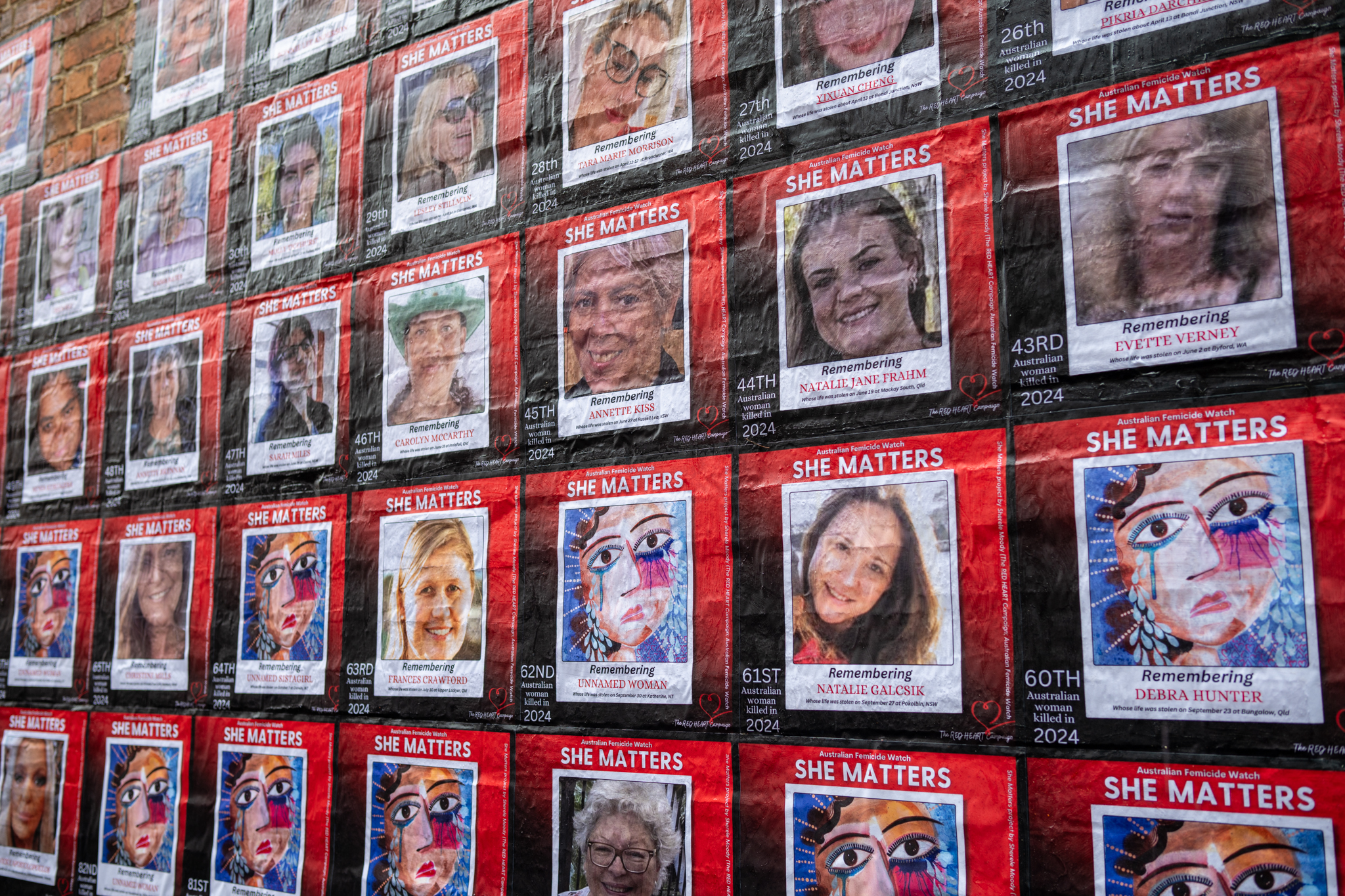
Sherele Moody is an award-winning journalist and advocate who documents the deaths of women and children in Australia from violence. In March 2026 she worked to install a She Matters mural in Ballarat, a visual representation of the faces and names of women who have been killed in Australia since the start of 2024 – many by men known to them.
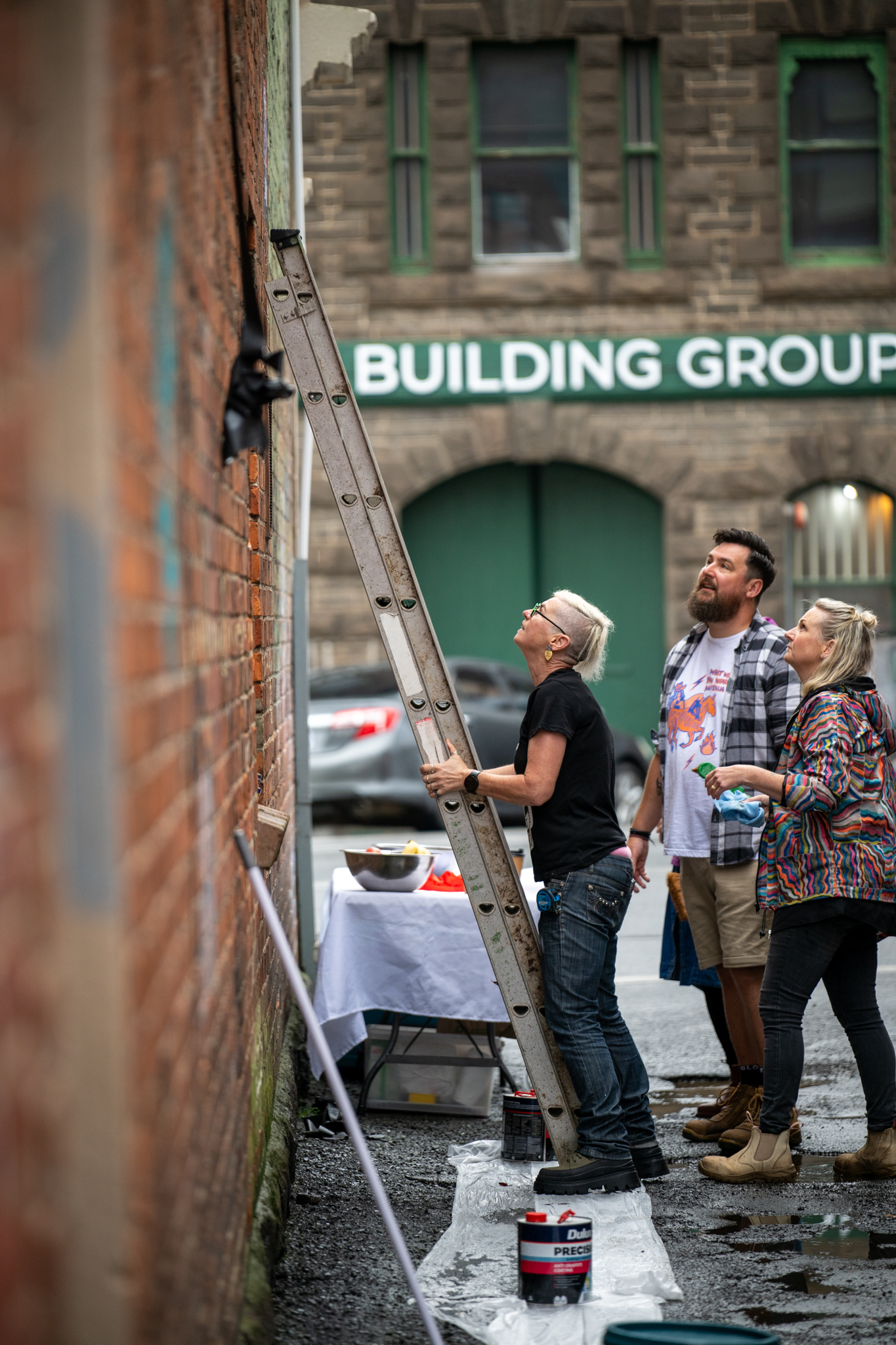
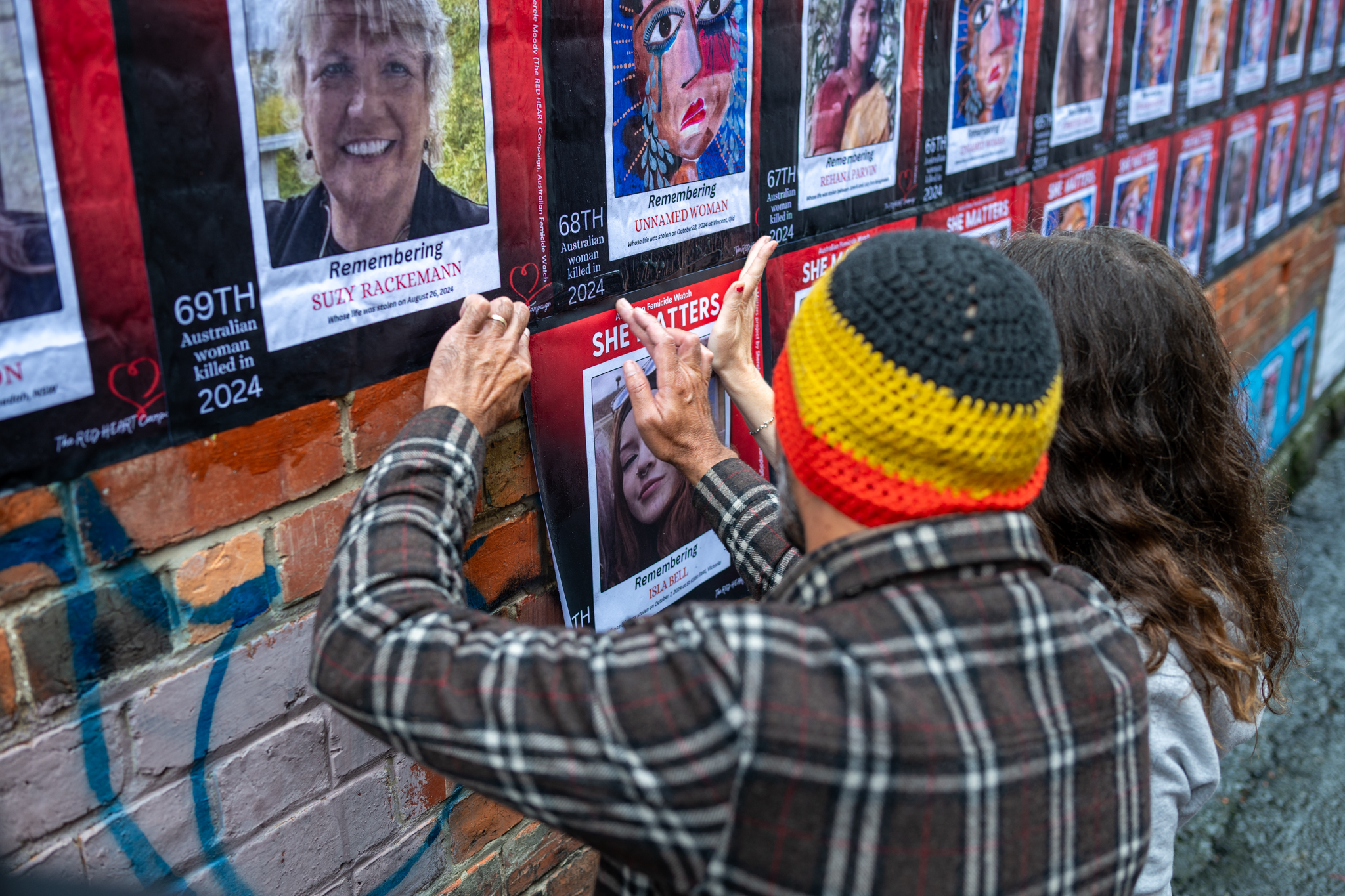
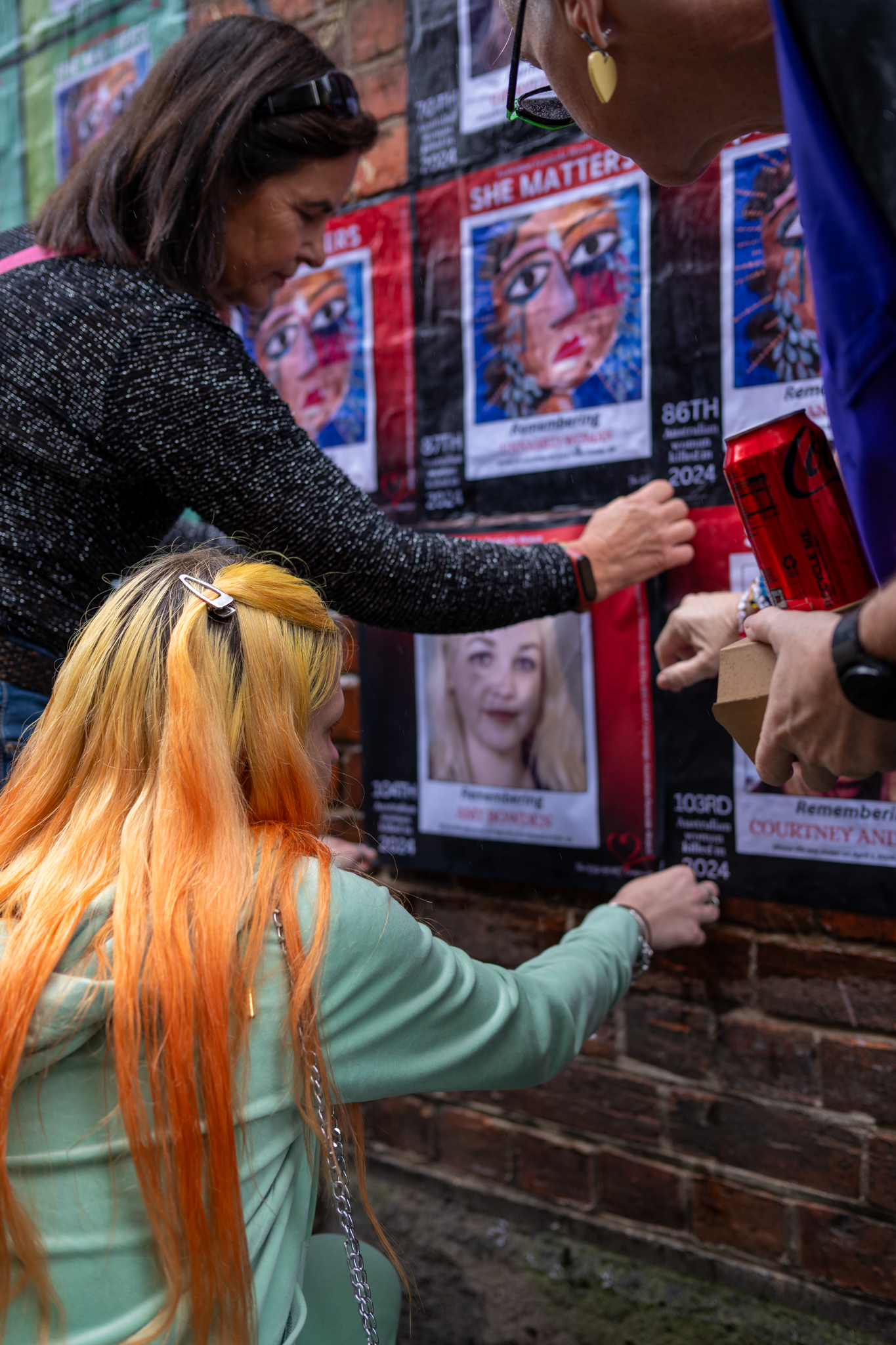
This iteration of the mural also includes women from the Ballarat region who were killed prior to 2024, and was installed with support from Women’s Health Grampians, cafs Ballarat, and the families of women killed. It is the third installation of She Matters, following the original erected in Hosier Lane, Melbourne and another installed in Orange, NSW.
We spoke to Sherele about the motivation behind She Matters and how she hopes it will help drive change.
In conversation with Sherele Moody
What inspired you to create the She Matters murals?
She Matters is a tribute to the women we've lost to violence, to every face and every name. It's a tribute to their families, friends and communities. A tribute to their courage and their strength and the ongoing trauma that they face for the rest of their lives.
It's also a reminder to Australia of what Australia's femicide epidemic looks like and the toll it's taking on our community.
What do you think communities feel when they visit the murals?
I think the most important part of the She Matters murals is the conversations that people have around it. I would hope that people come down, that they have a look at the faces, they have a look at the names, and they kind of take on board that violence impacts women across all aspects of our lives, and it doesn't look just like domestic violence.
What common themes do you see in the stories of these women?
Most of the women here [on the Ballarat mural], 60% were killed because of domestic and family violence, 35% were killed by people they knew outside of the family or partner relationship. People like their neighbour or their boss. And around 5% were killed by stranger violence.
We need to have conversations about all forms of violence, to examine the drivers and factors behind domestic and family violence, stranger violence and associate violence.
Every woman documented here, there was a point where she could have been saved. And most often that point involved some form of safety net. It might have been a domestic violence service, lack of housing, being turned away by police or not being believed by community members. We need to have a look at all of those failures and learn from them, making sure that we don't repeat the same mistakes.
What would you say to men who feel unsure how to help?
As women we can fight for policy, we can fight for change, we can get our sisters to safety, build murals, count the dead women, we can do all those things. But we're not men. We don't live the lives of men and we can’t end the violence not perpetrated by us. We can’t do it alone.
Most of the women on this mural died at the hands of a man known to them. It doesn't mean that every man is violent, it doesn't mean that every man is responsible for violence, it means is that every man has a role to play in ending violence.
So having men come down here wanting to understand the drivers of violence, having conversations about equality, learning how to talk to other men about problematic behaviours. Those conversations can help guide men who are not doing the right thing onto a better path.
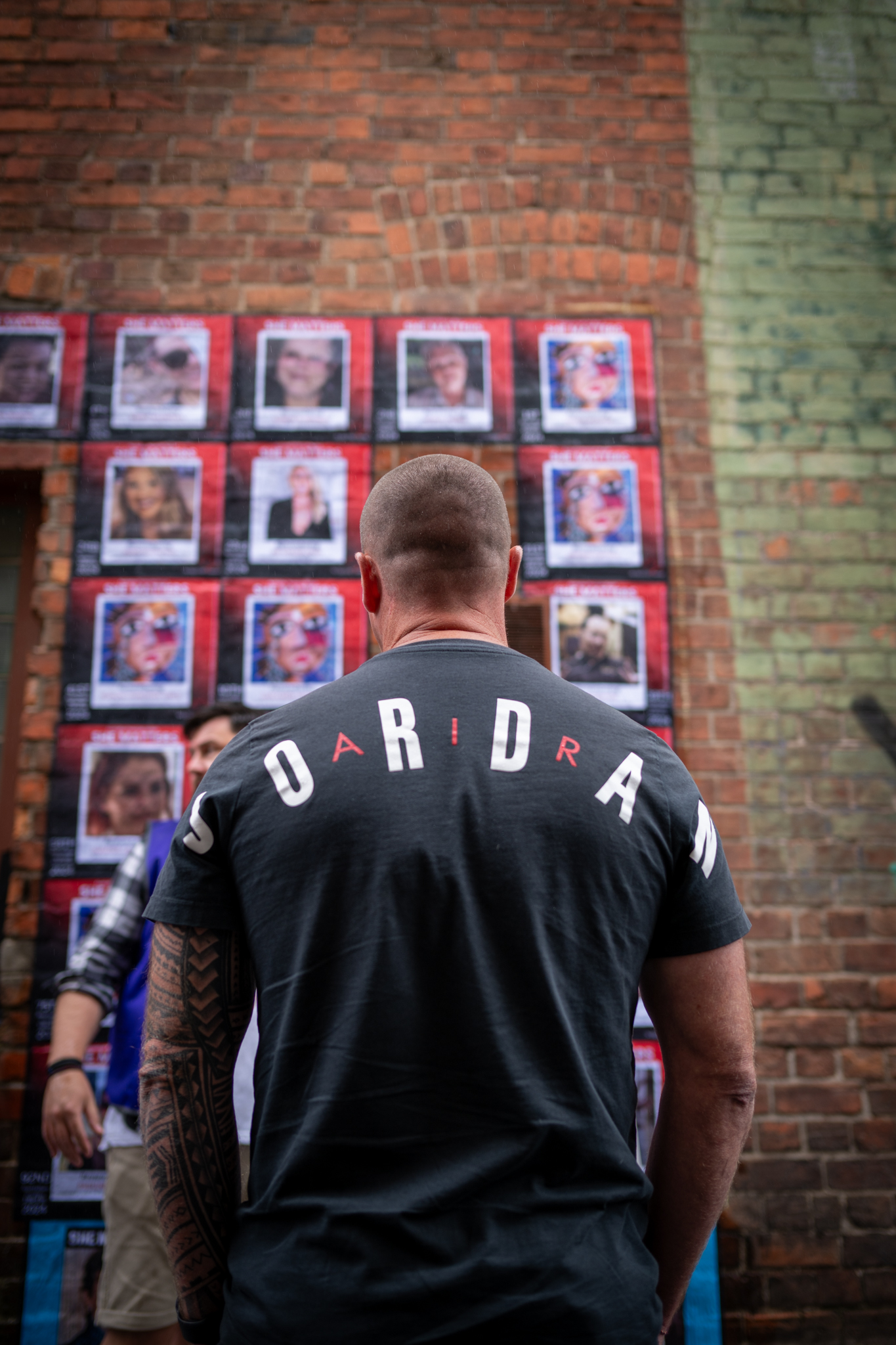
Ballarat has endured a lot of pain and loss. What is your hope for the community moving forward?
I think that Ballarat has a lot of bravery and everyone here wants to move forward. They don't want to see another Samantha, another Hannah, another Rebecca. They don't want to see another woman on a wall. They don't want to see their name in the media.
I think being able to be part of this solution and working towards ending violence in Ballarat is very important and I'm very thankful to have the opportunity.
How can we channel our sadness and despair to create change?
I know that we can't change the story for any of the women on the wall, but by knowing her story we can change the story for women in the future. Their stories can help end violence, let's not lose sight of that.