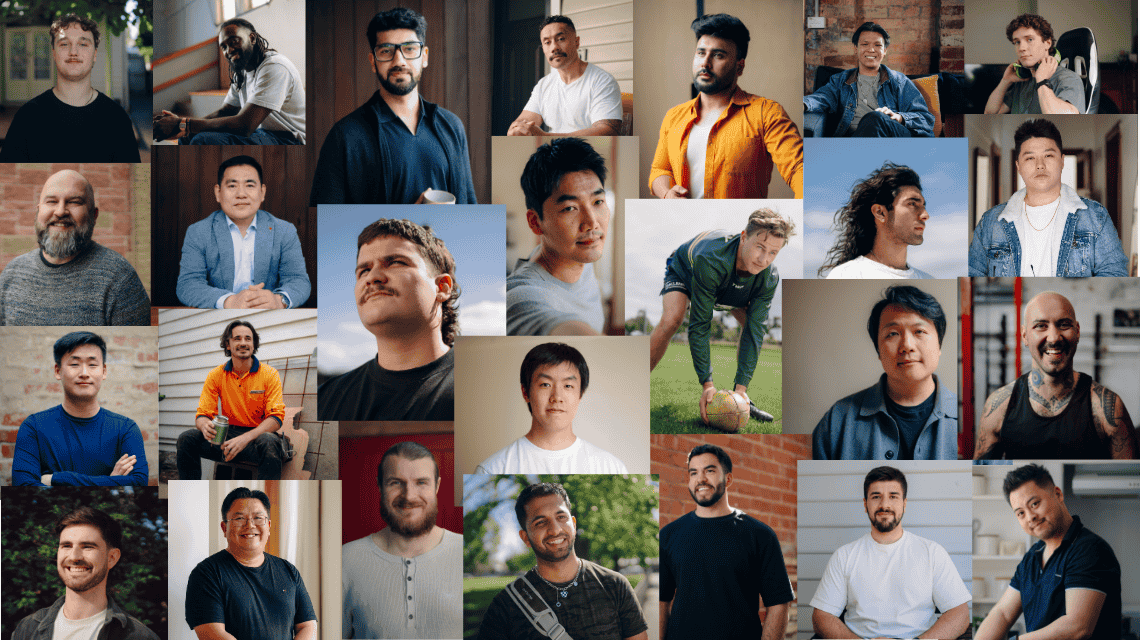

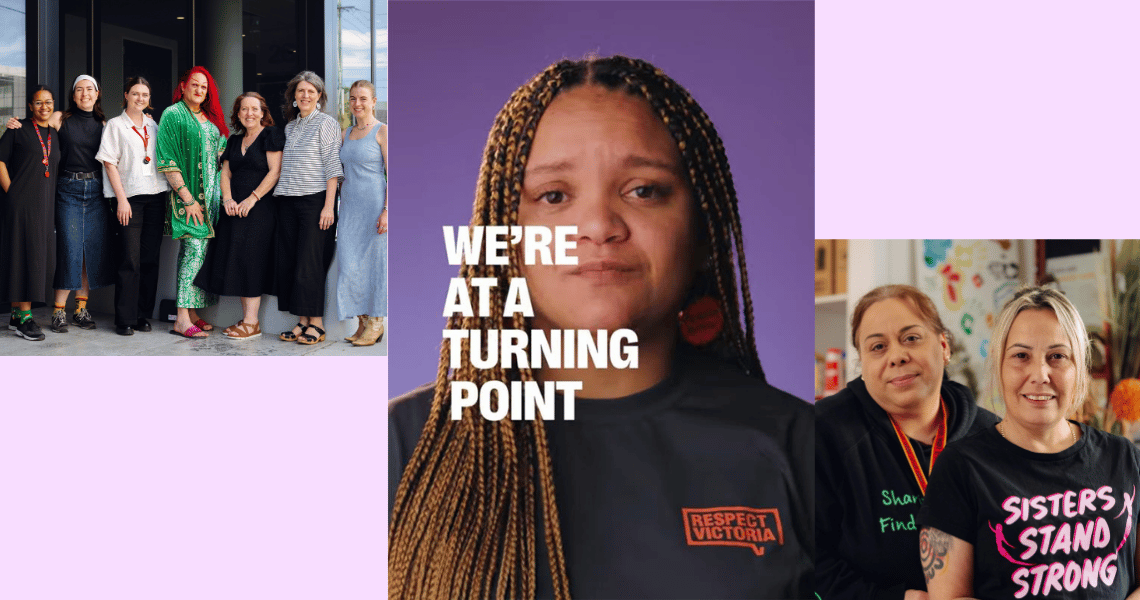
The newest update to the What Kind of Man Do You Want to Be? campaign is now live, featuring 14 Victorian men from Mandarin, Cantonese, Vietnamese, Punjabi and Arabic-speaking backgrounds sharing personal reflections in their own languages on the expectations, pressures and possibilities of masculinity.
New resources – including posters, leaflets and social media tiles – are also now available to download and use in your communities and workplaces.
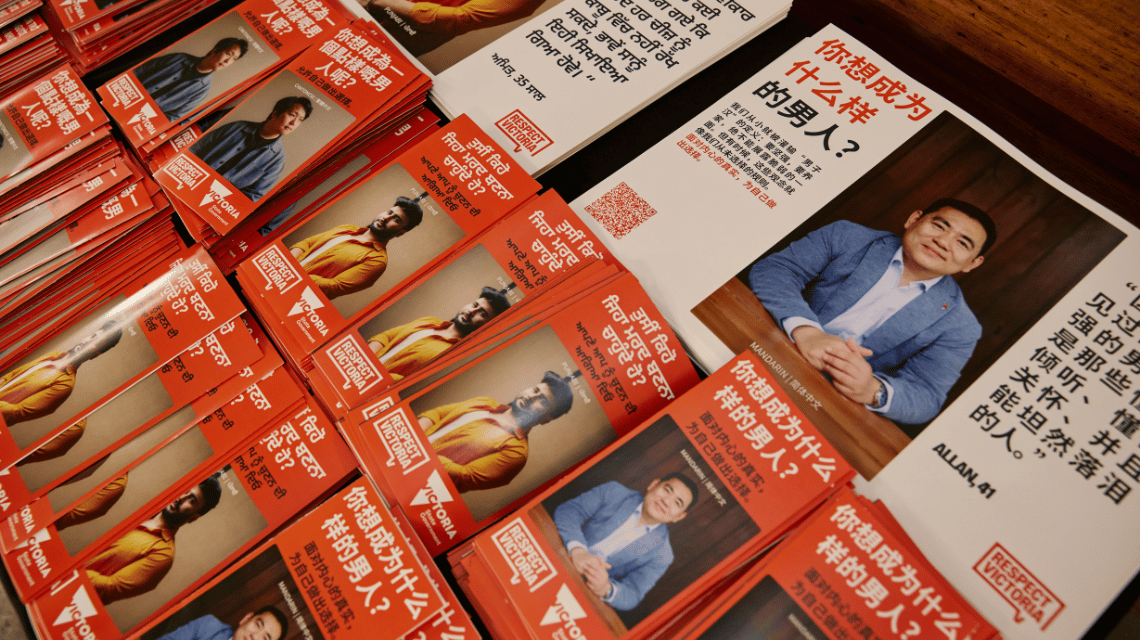
What Kind of Man Do You Want to Be? is a statewide initiative inviting men to reflect on masculinity, challenge harmful stereotypes, and build respectful relationships and communities.
This expansion of the campaign was developed in partnership with Polaron Connect, who provided specialist support to ensure the stories were grounded in lived experience, culturally relevant, and created by and for local communities. Desiree Bensley from Multicultural Centre for Women's Health also lent her expertise in community-led prevention and gender equality work to the campaign, as our Prevention Specialist Campaign Consultant.
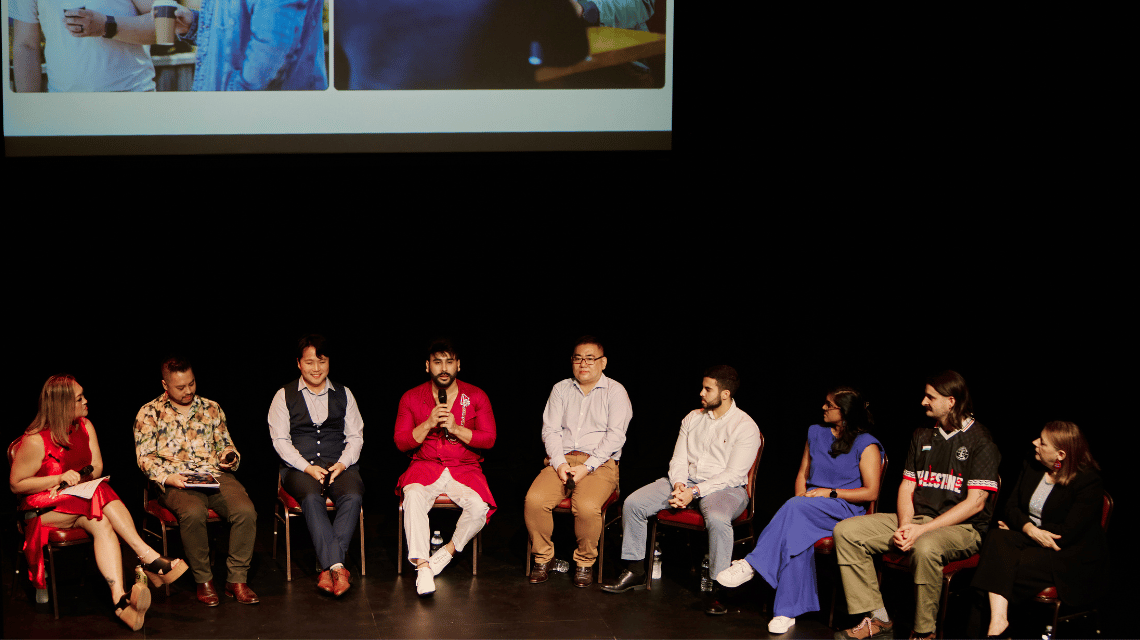
Yesterday saw the formal launch of the campaign, with a screening of the new stories and an insightful panel discussion with five of the campaign participants and our production partners.
Attended by government representatives, community leaders, sector partners, campaign contributors and media, the event was defined by insightful conversation and reflection.
Campaign participant Nam summed up the initiative perfectly, saying: “Change doesn’t happen in private, it happens in the community.”
Amit spoke about wanting his mates and the men in his life to watch his story and know they are not alone. Allan, a teacher, wants his daughter and the young people he teaches to be thinking differently about what a man can be.
Kin wants to challenge the stereotypes about masculinity that he grew up with on television and at home. Ahmad wants to normalise vulnerability amongst men, and challenge harmful ideas about masculinity.
Minister for the Prevention of Family Violence Ingrid Stitt said, “Preventing violence against women starts with conversations about what it means to be a man. Not everyone’s experience of masculinity is the same. This campaign centres the voices of men from multicultural communities, sharing their stories and experiences in their own languages.”