

On this page
This section aligns with the following domain of the Theory of Change:
- 1.3 Co-ordination and leadership bodies
The prevention system in Victoria is best defined as the combination of all parts of Victoria’s effort to prevent violence. This includes:
- government policies, legislation and strategies
- governance mechanisms that guide implementation
- the agencies and organisations delivering prevention work, including community-led or settings- based organisations
- the research, monitoring, evaluation and learning that underpins prevention efforts
- the places and spaces – often referred to as settings – where prevention work takes place.
Effective prevention work requires a strong and mature prevention system that includes political and public sector leadership, policy and legislative reform, governance and coordination mechanisms, longitudinal evidence and a skilled workforce (4). As Victoria moves into the final phase of its 10-year plan, it is essential that the prevention system continues to strengthen and mature.
Where progress has been made
The prevention system has continued to evolve over the reporting period. Its growth and maturation builds on a foundation of grassroots activism, public health, local government and community sector leadership and expertise, alongside the pivotal Royal Commission into Family Violence and the subsequent implementation of nation-leading family violence reforms including the establishment of Respect Victoria.
State government portfolio and governance structures
Over the last three years, the Victorian Government has continued to steward and lead the governance of Victoria’s prevention efforts. Through the Office for Prevention of Family Violence and Coordination and subsequently Family Safety Victoria, it has funded and supported implementation of prevention work across settings and led the Victorian Government’s response to the royal commission, developing nation-leading prevention policy and reform, working in partnership across the Victorian Government and with the Australian Government on national policy monitoring and evaluation through the Family Violence Outcomes Framework. Importantly, Family Safety Victoria has worked alongside Respect Victoria and the prevention sector to lead and support system coordination and governance.
Report participants reflected on the importance of strong governance as a foundational part of the prevention system, enabling and increasing collaboration, knowledge sharing and accountability. Family Safety Victoria, together with Respect Victoria, co-chaired the Primary Prevention Sector Reference Group – the key governance and coordination mechanism between government and sector for prevention policy and initiatives (141) (footnote 1). Membership of the Primary Prevention Sector Reference Group has expanded over the reporting period, reflecting increased reach, inclusion and engagement in primary prevention work across both government and community.
There were a number of machinery of government changes during the reporting period, with the Office for Prevention of Family Violence and Coordination moving from a standalone office in the Department of Families, Fairness and Housing into Family Safety Victoria and being subsequently consolidated into a branch with a combined family and sexual violence prevention and response focus. This reflected an effort to integrate family violence work across the continuum, from primary prevention through to response and recovery. However, a risk of this move is the loss of a dedicated focus on prevention, by being overwhelmed by the need to continually increase focus and effort on response systems.
Respect Victoria strengthens leadership and coordination
Respect Victoria has continued its essential and unique role as the independent statutory authority dedicated to the prevention of family violence and violence against women. Respect Victoria’s 2023–28 strategic plan includes a commitment to strengthen the state’s prevention system infrastructure and establish the Prevention Alliance, which brings together key organisations leading prevention work in Victoria to support greater system-level coordination and collaboration (142).
We have come a long way over the past three years. Respect Victoria had only just established the Prevention Alliance three years ago and the Primary Prevention Sector Reference Group has really matured over that time as well ... I feel like we’re now building a much clearer sense of the prevention sector in Victoria and that’s really helpful. – Jo Pride, Family Safety Victoria
Respect Victoria continued to play a pivotal role during the reporting period, providing legislative and policy advice to state and federal MPs, contributing to primary prevention evidence, developing the first stages of a statewide monitoring and evaluation system, and delivering campaigns and efforts that drive change and support community mobilisation to prevent violence. Respect Victoria’s unique partnership with Family Safety Victoria has facilitated an aligned and strategic approach to our respective roles and enabled regular and beneficial exchange of information between the two organisations.
Respect Victoria’s leadership and coordination has also brought greater maturity, expertise and collaboration to the state’s prevention landscape, particularly in shaping a more coordinated and strategic approach to primary prevention. This leading expertise in primary prevention has not been replicated in any other state government or Victorian not-for-profit entity.
There’s a space for Respect Victoria to be a champion for itself. You are a really important service, and if we need a champion, then we need that champion to be strong … Respect Victoria in the last year and a half has really come out more to community, services and sectors. And I thought that is fantastic. – Julie Kun, Women with Disabilities Victoria
Statewide workforce strengthening
The Centre for Workforce Excellence in the Department of Families, Fairness and Housing commissioned Safe and Equal to review and develop a proposed update to the Prevention of Family and Violence Against Women Capability Framework. It ran a thorough consultation, incorporating current primary prevention practice and workforce views, an integration of the connection between primary prevention and family violence response, and validation of the workforce and their skills (footnote 2).
A new capability framework is also being developed to support capability uplift for the specialist sexual assault workforce. The Responding to Sexual Violence and Harmful Sexual Behaviours Capability Framework is being developed in partnership with Sexual Assault Services Victoria, and it is due for release in late 2025.
Safe and Equal expanded its membership to include organisations and practitioners working in primary prevention during the reporting period (alongside those delivering early intervention, response and recovery programs), and it launched its inaugural primary prevention strategy (143). Safe and Equal plays a lead role in supporting workforce capability and practice expertise among its member organisations and more broadly to the prevention workforce, including by providing a range of professional development offerings such as training, communities of practice, practitioner events and resources, as well as PreventX, the leading national prevention conference. Over the reporting period, the Partners in Prevention network that Safe and Equal convenes grew by 800 members to a total of more than 4,000 practitioners. For further discussion of workforce strengthening, see Growing and supporting the workforce.
Women’s health services
Victoria’s strong, networked women’s health services sector has continued to deliver health promotion, advocacy, community education and capacity building, and supported its networks to respond to emerging legislation such as the Gender Equality Act 2020 (Vic) (144).
Women’s health services lead nine regional violence prevention partnerships that provide critical infrastructure for coordinated and collaborative place-based prevention activity, including local workforce development, evidence building and community mobilisation (144). These nine partnerships cover the state. This partnership brokerage function has been key since the disbanding of Primary Care Partnerships during the reporting period. The regional partnerships maintain local focus on gendered violence and continue to drive prevention activity, despite often not being funded, or not funded to scale for this work (144).
The history and the continual prevention capital that has been created through the women’s health services regional plans just keep paying dividends … You can see the continual dividends of that regional investment in bringing together, coordinating and slowly building. I think that’s really important. – Prevention organisation executive
The Women’s Health Services Network plays an important role in collective advocacy, and Women with Disabilities Victoria, the Multicultural Centre for Women’s Health and Women’s Health Victoria provide specialist expertise on community-specific prevention work.
Local government
Local government continues to be an important setting for the delivery of prevention activity across the state (see case study below). The Municipal Association of Victoria provides centralised leadership with deep and embedded primary prevention expertise, showing what can be achieved through a settings-based approach. Sustaining this crucial centralised role will be key to securing consistent leadership and commitment for primary prevention across all councils.

Aboriginal self-determination
The Dhelk Dja Partnership Forum connects Aboriginal community representatives across Victoria’s regions from the 11 Dhelk Dja Action Groups, Aboriginal Services and the Victorian Government, and leads the development of localised action plans to respond to and prevent violence. Over the reporting period, the forum continued to drive implementation of Dhelk Dja: Safe Our Way – Strong Culture, Strong Peoples, Strong Families. This is an agreement between Aboriginal communities and the Victorian Government that specifies Aboriginal-led prevention as one of five strategic priorities (71). The agreement works through partnerships and directions at a state, regional and local level, and it remains an important Aboriginal-led vehicle to enable Aboriginal communities and services and the Victorian Government to work together to ensure Aboriginal people and communities are ‘stronger, safer, thriving and living free from family violence’ (71).
The Family Violence Reform Implementation Monitor delivered its report Monitoring Victoria’s family violence reforms: Aboriginal-led prevention and early intervention, in December 2022 (145). This report highlighted opportunities for strengthening government accountability of delivery of initiatives that support Dhelk Dja priorities.
An evaluation of the first Dhelk Dja 3 Year Action Plan (2019–2022) was completed during the reporting period (in 2024), and it noted the importance of strengthening Aboriginal-led prevention systems and implementation (146). Key prevention-related outcomes and progress identified included: embedding cultural practices in policies, promoting safety and wellbeing, enhancing the evidence base, and increasing ACCO and community participation. The evaluation provided a series of recommendations for the Department of Families, Fairness and Housing and other stakeholders to support ongoing success, governance and Aboriginal self-determination.
The second Dhelk Dja 3 Year Action Plan (2023–2025) was released in April 2024, adopting a number of The Family Violence Reform Implementation Monitor’s and first action plan evaluator’s recommendations (147). Family Safety Victoria also worked with the Dhelk Dja Koori Caucus, an advisory group (including Respect Victoria) and ACCOs to develop the Dhelk Dja Family Violence Prevention Framework, expected for release in 2025.
Stronger partnerships
As the prevention system has matured, so too have the number of strong partnerships across the prevention landscape and beyond. Report participants consistently highlighted the importance of collaboration in prevention work, with many identifying their partnership projects and activities as major achievements over the reporting period.
There’s been a growth in collaboration across a range of different organisations working together on an advocacy agenda and working collaboratively with other peaks and bodies that are leading prevention in their own spheres of operation and influence. – Marina Carman, Safe and Equal
Importantly, report participants expressed a view that the funding environment had been less competitive than in previous years, creating space and opportunities to build trusting and collaborative relationships. Many funding models for government-funded programs increasingly build partnership into their models. For example, grants programs supporting prevention in multicultural and faith-based communities, affirmative consent, and prevention of violence through sport all required applicants to partner with organisations with complementary expertise and networks. Report participants reflected that partnerships have been critical for extending and sustaining work within a tight fiscal environment.
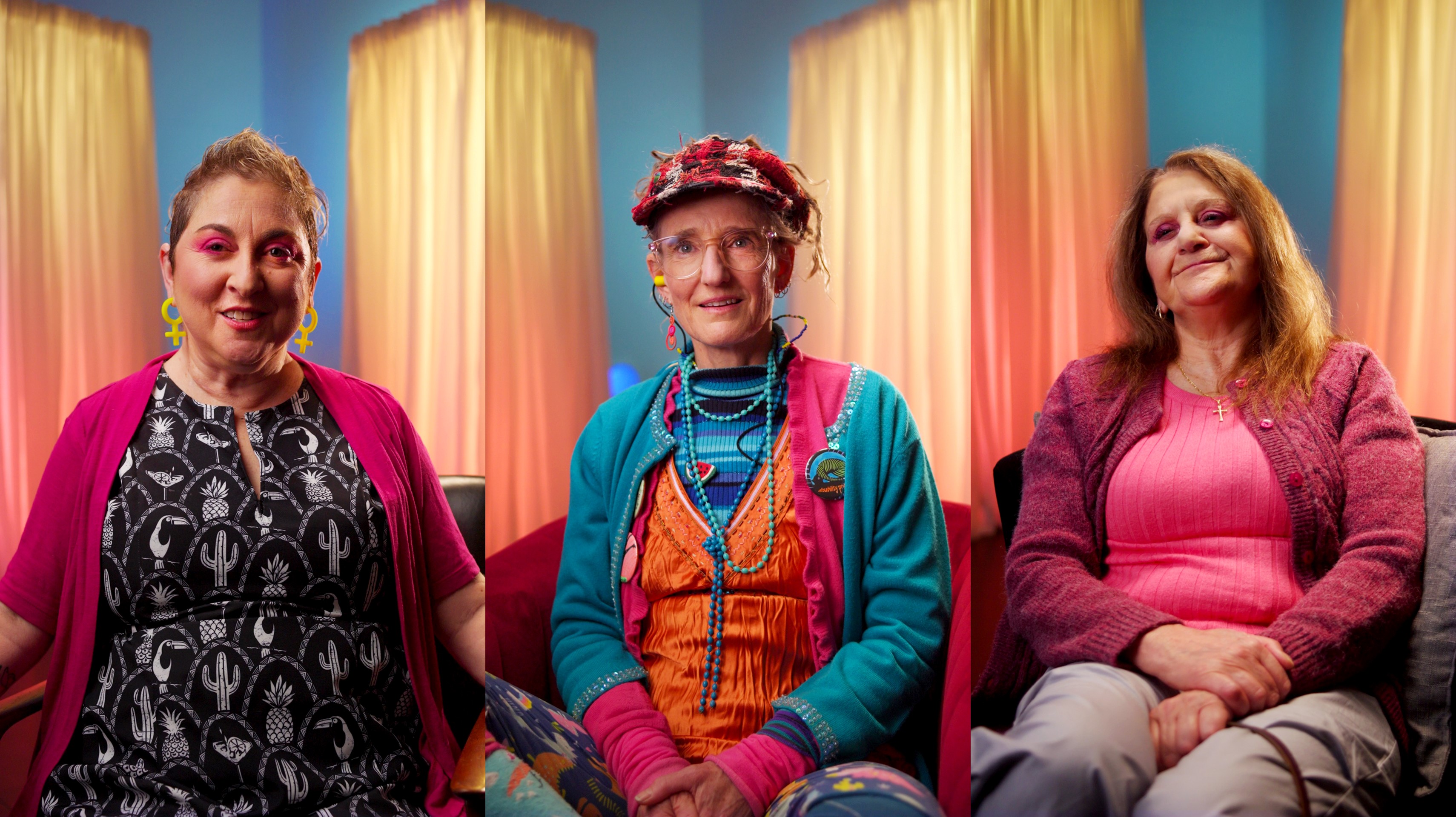
Community-led organisations that participated in this report also reflected on the deepening of strategic partnerships between themselves and specialist prevention organisations. This has supported reciprocal leaning and building better understanding and capability in embedding inclusive practice and addressing intersecting drivers of gendered violence.
The other this is just mutually supporting work as well. We're in meetings together and there is that sense of ongoing collaboration that is really appreciated, that mutual purpose, the ability to collaborate and be a safe space to talk about ideas. – Julie Kun, Women with Disabilities Victoria
Where there are challenges
The prevention system is a critical part of Victoria’s public health architecture, yet cutbacks and downsizing of departments and agencies responsible for leading prevention work and the discontinuation of important bodies such as the Family Violence Reform Implementation Monitor (footnote 3) leave a significant gap in the governance and accountability mechanisms in place to provide independent oversight of the family violence system. It underscores the importance of Respect Victoria’s role in supporting systems strengthening.
Better visibility of and collaboration across prevention work
While Victoria has valuable governance structures in place for primary prevention (unlike many other jurisdictions), report participants highlighted the need for greater visibility of the prevention work happening across government, and for stronger communication, collaboration and partnering to ensure effective coordination of prevention policy and programming and the ability to leverage efforts. Similarly, they noted some siloing within the family violence system due to the prevailing funding approach.
The silos in which government works is a big part of the problem. Silos are an innate design feature of the Westminster system, they’re embedded in our system. However, government also often then fund services and systems through these silos in ways that are not helpful, and don’t enable or encourage the joined-up, whole-of-person, community responses that are needed. – Domestic, Family and Sexual Violence Commissioner Micaela Cronin
Connecting the various parts of the system to support alignment and coordination of prevention efforts is a core function of Victoria’s family violence reform governance structure. The establishment of Respect Victoria, the Prevention Alliance and Primary Prevention Sector Reference Group have been important mechanisms to support sector coordination, with the Family Violence Reform Board and other intra-government mechanisms intended to support whole-of-government oversight and coordination.
Important foundations are in place that can be built upon, noting that effective coordination and collaboration takes time and sustained effort, particularly where funding and policy levers sit across different areas of government. Maintaining and enabling the existing coordination structures and their roles – despite the challenging fiscal environment – will be key to increasing visibility of the various government portfolios, organisations and actors involved in prevention work. This will also deepen understanding of this work between the actors to support decision-making and coordination, avoid duplication and bolster collective impact.
I think the sector really recognises the existence of that infrastructure and how important it is and how it needs to be there and be supported, but [this recognition] is not necessarily getting to the decision-making levels. – Adele Murdolo, Multicultural Centre for Women’s Health
The system would also benefit from stronger recognition of the prevention and early intervention work already being implemented across specialist family and sexual violence services and other service sectors. This is where the remit of Respect Victoria, as a statewide coordinating body, is important, as well as that of Safe and Equal (the statewide peak body on family violence), Sexual Assault Services Victoria (the statewide peak body on sexual violence), and the role of regional coordination mechanisms including the women’s health regional partnerships and the Municipal Association of Victoria.
Opportunities for action
Staying the course to allow the system to continue to mature
Victoria has successfully established a strong system with distinct yet complementary roles and responsibilities. Ongoing system maturity requires stability, hence it is crucial that the Victorian Government stays the course on primary prevention with secure and sustained bipartisan commitment.
Strengthening coordination
There is an opportunity to continue to strengthen the Victorian prevention system through stronger policy and funding coordination across government through a whole-of-government approach and between local government, the Victorian and federal governments. National Cabinet has been an important mechanism to foster strong cross-jurisdictional collaboration on prevention priorities under the National Plan to End Violence against Women and Children. Ongoing collaboration and support for Victorian and national agencies (particularly statutory agencies) with complementary roles, functions and priorities will also be an important enabler – specifically, ongoing collaboration between Respect Victoria, Our Watch and the Domestic, Family and Sexual Violence Commission, as well as between the Commission for Gender Equality in the Public Service and the Workplace Gender Equality Agency. There are also opportunities to continue to draw insights from the coronial and justice systems, for example, by analysing trends and opportunities for prevention identified in systemic death reviews conducted by the Coroners Court of Victoria and the Commission for Children and Young People.
Stronger government accountability for Aboriginal-led prevention work
Maintaining and strengthening the infrastructure for Aboriginal-led prevention work is essential. This includes the Dhelk Dja Partnership Forum – its Koori Caucus and Regional Action Groups – and ACCOs leading on violence prevention work. These forums and organisations play a critical accountability role as well as a role in leadership, governance coordination and building an intersectional and integrated approach to prevention work.
The Dhelk Dja Koori Caucus has called for greater government accountability for addressing the impacts of family violence on Aboriginal communities, with a much stronger focus on prevention (21). The Victorian Government is readying itself for Treaty processes. For prevention work, this includes ensuring government systems, processes and staff are embedding self-determination and Indigenous Data
Sovereignty into Aboriginal prevention governance, funding, programming and delivery. In particular, this requires supporting implementation of the forthcoming Dhelk Dja Family Violence Prevention Framework and Dhelk Dja regional action plans, and dedicated prevention funding for ACCOs.
Recommendations
Respect Victoria recommends that the Victorian Government:
- Continue to strengthen prevention system infrastructure and coordination through dedicated and enduring funding for:
- Respect Victoria – the statutory agency for prevention of family violence and violence against women
- the peak bodies for Victorian organisations specialising in the prevention of family violence, violence against women and gendered violence, including sexual violence
- the prevention workforce and sector, including women’s health services, local government and specialist community-led organisations – particularly organisations led by and for Aboriginal, LGBTIQA+, and culturally and racially diverse communities; older people; and people with disability
- regional and statewide coordination and governance mechanisms, including self-determined infrastructure for and led by Aboriginal communities, and whole-of-government responsibility
- funded partnerships and programs focused on prevention of gendered violence, including those across the family violence continuum.
Footnotes
Family Safety Victoria also facilitates the Family Violence Reform Advisory Group, the Family Violence Reform Advisory Board. the Family Violence Policy Steering Committee and the Dhelk Dja Partnership Forum.
This proposed draft was delivered by Safe and Equal to the Centre for Workforce Excellence in early 2025 and release is expected in late 2025.
The Family Violence Reform Implementation Monitor was established to oversee implementation of the recommendations from the 2015 Royal Commission into Family Violence. It ceased operations in January 2023 when all recommendations were acquitted.