

This page begins in Punjabi. Jump to read the same the same interview in English.
ਜਦੋਂ ਪੁੱਛਿਆ ਗਿਆ ਕਿ ਤੁਸੀਂ ਕਿਸ ਤਰ੍ਹਾਂ ਦੇ ਮਰਦ ਬਣਨਾ ਚਾਹੁੰਦੇ ਹੋ (What Kind of Man Do You Want to Be) ਤਾਂ ਅਮਿਤ ਨੇ ਕਿਹਾ ਕਿ "ਮੈਨੂੰ ਇਹ ਸਵੀਕਾਰ ਕਰਨ ਵਿੱਚ ਕਈ ਸਾਲ ਲੱਗ ਗਏ ਕਿ ਮਰਦ ਹਰ ਚੀਜ਼ ਨੂੰ ਕਾਬੂ ਵਿੱਚ ਨਹੀਂ ਕਰ ਸਕਦੇ, ਭਾਵੇਂ ਸਾਨੂੰ ਇਹੀ ਸਿਖਾਇਆ ਗਿਆ ਹੈ।" Respect Victoria ਨੇ ਅਮਿਤ ਦੇ ਨਾਲ ਗੱਲਬਾਤ ਕੀਤੀ ਜੋ ਵਾਪਰਦੀਆਂ ਚੀਜ਼ਾਂ ਨੂੰ ਪਛਾਣਨ ਅਤੇ ਆਪਣੀ ਕਹਾਣੀ ਨੂੰ ਬਦਲਣ ਬਾਰੇ ਸੋਚਦਾ ਹੈ।
Amit ਦੇ ਨਾਲ ਗੱਲਬਾਤ ਦੌਰਾਨ
ਮੈਂ ਮੈਲਬੌਰਨ ਆਧਾਰਿਤ ਏਅਰੋ-ਸਪੇਸ ਇੰਜੀਨੀਅਰ ਹਾਂ ਜਿਸ ਦਾ ਮਾਡਲਿੰਗ, ਮੰਚ ਅਤੇ ਰਾਸ਼ਟਰੀ ਅਤੇ ਅੰਤਰ-ਰਾਸ਼ਟਰੀ ਪੱਧਰ 'ਤੇ ਅਦਾਕਾਰੀ ਵਿੱਚ ਬਹੁਪੱਖੀ ਕੈਰੀਅਰ ਹੈ। ਮੇਰਾ ਮੁੱਖ ਟੀਚਾ ਇੱਕ ਰੋਲ ਮਾਡਲ ਵਜੋਂ ਕੰਮ ਕਰਕੇ ਅਤੇ ਆਤਮ-ਵਿਸ਼ਵਾਸੀ ਵਿਅਕਤੀਆਂ ਦਾ ਨੈੱਟਵਰਕ ਬਣਾ ਕੇ ਦੁਨੀਆ 'ਤੇ ਸਕਾਰਾਤਮਕ ਪ੍ਰਭਾਵ ਪਾਉਣਾ ਹੈ। ਮੈਂ ਪਿਛੜੇ ਭਾਈਚਾਰੇ ਦਾ ਸਮਰਥਨ ਕਰਨ, ਤਬਦੀਲੀ ਨੂੰ ਪ੍ਰੇਰਿਤ ਅਤੇ ਪ੍ਰਭਾਵਿਤ ਕਰਨ ਲਈ ਆਪਣੇ ਪਲੇਟਫ਼ਾਰਮ ਅਤੇ ਪ੍ਰਭਾਵ ਦਾ ਲਾਭ ਉਠਾਉਣ ਲਈ ਵਚਨਬੱਧ ਹਾਂ।
ਕੀ ਤੁਹਾਨੂੰ ਲੱਗਦਾ ਹੈ ਕਿ ਇਸ ਬਾਰੇ ਕੋਈ ਨਿਯਮ ਹਨ ਕਿ ਮਰਦਾਂ ਨੂੰ ਕਿਵੇਂ ਦਾ ਹੋਣਾ ਚਾਹੀਦਾ ਹੈ?
ਮੈਨੂੰ ਲੱਗਦਾ ਹੈ ਕਿ ਅਸੀਂ, ਭਾਰਤੀ ਪ੍ਰਵਾਸੀ ਹੋਣ ਦੇ ਨਾਤੇ, ਇਸ ਦੇਸ਼ ਵਿੱਚ ਇੱਕ ਖ਼ਾਸ ਤਰੀਕੇ ਨਾਲ ਵਿਵਹਾਰ ਕਰਨ ਲਈ ਦਬਾਅ ਮਹਿਸੂਸ ਕਰਦੇ ਹਾਂ। ਅਸੀਂ ਇਸ ਗੱਲ ਦੀ ਵੀ ਪਰਵਾਹ ਕਰਦੇ ਹਾਂ ਕਿ ਸਾਨੂੰ ਸਾਡੇ ਮੂਲ ਦੇਸ਼ ਵਿੱਚ ਕਿਵੇਂ ਵੇਖਿਆ ਜਾਂਦਾ ਹੈ। ਅਸੀਂ ਦੋਵਾਂ ਸੰਸਾਰਾਂ ਦੀਆਂ ਉਮੀਦਾਂ ਨੂੰ ਸੰਤੁਲਿਤ ਕਰ ਰਹੇ ਹਾਂ।
ਮਰਦਾਂ ਲਈ, ਜ਼ਿੰਮੇਵਾਰੀਆਂ ਵੱਖਰੀਆਂ ਹਨ। ਇੱਥੇ ਪੁਰਾਣੇ ਮੁਹਾਵਰੇ ਹਨ ਜਿਵੇਂ ਕਿ ਮਰਦ ਰੋਂਦੇ ਨਹੀਂ ਹੁੰਦੇ ਜਾਂ ਉਹ ਆਪਣਾ ਦਰਦ ਨਹੀਂ ਦਿਖਾਉਂਦੇ ਅਤੇ ਉਨ੍ਹਾਂ ਨੂੰ ਹਮੇਸ਼ਾ ਆਪਣੇ ਪਰਿਵਾਰਾਂ ਲਈ ਖੜ੍ਹੇ ਹੋਣਾ ਚਾਹੀਦਾ ਹੈ।
ਪਰ ਮੈਨੂੰ ਲੱਗਦਾ ਹੈ ਕਿ ਉਹ ਵਿਚਾਰ ਸਾਡੇ 'ਤੇ ਥੋਪੇ ਗਏ ਹਨ। "ਮਰਦਾਂ" ਅਤੇ "ਔਰਤਾਂ" 'ਤੇ ਕੇਂਦ੍ਰਿਤ ਕਰਨ ਦੀ ਬਜਾਏ, ਮੈਂ ਮਨੁੱਖਤਾ 'ਤੇ ਧਿਆਨ-ਕੇਂਦ੍ਰਿਤ ਕਰਦਾ ਹਾਂ। ਜਿਵੇਂ-ਜਿਵੇਂ ਮੈਂ ਵੱਡਾ ਹੋਇਆ ਹਾਂ ਮੇਰੀ ਸੋਚ ਬਦਲ ਗਈ ਹੈ।
ਵੱਡੇ ਹੁੰਦੇ ਦੌਰਾਨ ਮਰਦਾਨਗੀ ਦੀਆਂ ਕਿਹੜੀਆਂ ਉਦਾਹਰਣਾਂ ਤੁਹਾਡੇ ਨਾਲ ਚੱਲਦੀਆਂ ਰਹੀਆਂ ਹਨ?
ਮੇਰੇ ਪਿਤਾ ਜੀ ਮੇਅਰ ਸਨ। ਉਹ ਸਵੇਰ ਤੋਂ ਦੇਰ ਰਾਤ ਤੱਕ ਲੰਬੇ ਸਮੇਂ ਤੱਕ ਕੰਮ ਕਰਦੇ ਸਨ, ਅਤੇ ਬਹੁਤ ਘੱਟ ਸਮੇਂ ਲਈ ਘਰ ਹੁੰਦੇ ਸਨ।
ਉਹ ਇੱਕ ਮਹਾਨ ਪਿਤਾ ਰਹੇ ਹਨ ਅਤੇ ਹਮੇਸ਼ਾ ਸਾਡਾ ਸਮਰਥਨ ਕਰਦੇ ਸਨ। ਪਰ ਉਹ ਅਕਸਰ ਆਪਣੀ ਭਲਾਈ ਨਾਲੋਂ ਕੰਮ ਦੀਆਂ ਵਚਨਬੱਧਤਾਵਾਂ ਨੂੰ ਪਹਿਲ ਦਿੰਦੇ ਸਨ, ਪਰਿਵਾਰ ਦੀ ਦੇਖਭਾਲ ਕਰਨਾ ਸਾਡੇ ਸੱਭਿਆਚਾਰ ਦਾ ਇੱਕ ਮਹੱਤਵਪੂਰਨ ਹਿੱਸਾ ਹੈ। ਮੇਅਰ ਹੋਣ ਦੇ ਨਾਤੇ, ਭਾਈਚਾਰਾ ਸਾਡੇ ਪਰਿਵਾਰ ਦਾ ਹਿੱਸਾ ਬਣ ਗਿਆ।
ਉਸ ਨੂੰ ਸਿਹਤ ਸਮੱਸਿਆਵਾਂ ਸਨ ਪਰ ਉਹ ਕਦੇ ਵੀ ਡਾਕਟਰ ਕੋਲ ਨਹੀਂ ਗਏ। ਫਿਰ ਇੱਕ ਦਿਨ, ਉਨ੍ਹਾਂ ਨੂੰ ਦੌਰਾ ਪਿਆ ਅਤੇ ਅਧਰੰਗ ਹੋ ਗਿਆ।
ਮੈਂ ਸੋਚਦਾ ਹਾਂ ਕਿ ਮਰਦਾਂ ਲਈ ਆਪਣੀਆਂ ਜ਼ਰੂਰਤਾਂ ਨੂੰ ਇਕ ਪਾਸੇ ਰੱਖਣਾ ਆਮ ਗੱਲ ਹੈ। ਸਿਹਤ ਦੇ ਮਾਮਲਿਆਂ ਨੂੰ ਨਜ਼ਰ-ਅੰਦਾਜ਼ ਕਰਨਾ ਮੰਨਣ ਯੋਗ ਜਾਪਦਾ ਸੀ ਕਿਉਂਕਿ ਦੂਜਿਆਂ ਦੀ ਦੇਖਭਾਲ ਸਭ ਤੋਂ ਪਹਿਲਾਂ ਆਉਂਦੀ ਸੀ।
ਇਸ ਦਾ ਤੁਹਾਡੇ ਲਈ ਕੀ ਮਤਲਬ ਹੈ?
ਕੰਮ 'ਤੇ, ਮੈਂ ਆਪਣੇ ਕੰਮ ਵਾਲੇ ਸਾਥੀਆਂ ਅਤੇ ਮੈਨੇਜਰ ਤੋਂ ਦਬਾਅ ਮਹਿਸੂਸ ਕਰਦਾ ਹਾਂ। ਲਗਾਤਾਰ ਸੁਧਾਰ ਕਰਨ ਦੀ ਜ਼ਰੂਰਤ ਵੀ ਹੈ।
ਭਾਰਤ ਵਿੱਚ, ਪਰਿਵਾਰਕ ਦਬਾਅ ਮੇਰੇ ਤਣਾਅ ਦੇ ਪੱਧਰ ਨੂੰ ਵਧਾਉਂਦਾ ਹੈ। ਉਨ੍ਹਾਂ ਦੀ ਵਿੱਤੀ ਤੌਰ 'ਤੇ ਮਦਦ ਕਰਨਾ ਇਕ ਚੀਜ਼ ਹੈ, ਪਰ ਇੱਥੇ ਇਕੱਲਾ ਹੋਣਾ ਬਹੁਤ ਹੀ ਇਕੱਲੇਪਣ ਵਾਲਾ ਮਹਿਸੂਸ ਹੋ ਸਕਦਾ ਹੈ।
ਕਈ ਵਾਰ, ਮੈਂ ਰਾਤ ਨੂੰ ਜਾਗ ਜਾਂਦਾ ਹਾਂ। ਮੈਂ ਲੋਕਾਂ ਨੂੰ ਇਹ ਦੱਸਣ ਤੋਂ ਝਿਜਕਦਾ ਹਾਂ ਕਿ ਮੇਰੇ ਨਾਲ ਕੀ ਹੋ ਰਿਹਾ ਹੈ ਕਿਉਂਕਿ ਇੱਕ ਉਮੀਦ ਹੈ ਕਿ ਮਰਦ ਰੋਂਦੇ ਨਹੀਂ ਹੁੰਦੇ, ਮੁਸ਼ਕਿਲਾਂ ਠੀਕ ਹੋ ਜਾਣਗੀਆਂ।
ਇਹ ਉਮੀਦ ਕਿ ਮਰਦਾਂ ਨੂੰ ਰੋਟੀ ਕਮਾਉਣ ਵਾਲਾ ਵਿਅਕਤੀ ਹੋਣਾ ਚਾਹੀਦਾ ਹੈ, ਇਹ ਅਜੀਬ ਗੱਲ ਹੈ। ਸਭ ਤੋਂ ਮਹੱਤਵਪੂਰਨ ਚੀਜ਼, ਇਹ ਸਾਡੀ ਸਿਹਤ ਨੂੰ ਨੁਕਸਾਨ ਪਹੁੰਚਾਉਂਦਾ ਹੈ। ਅਤੇ ਇਹ ਇੱਕ ਉਮੀਦ ਹੈ ਜੋ ਸਮਾਜ ਦੁਆਰਾ ਬਣਾਈ ਗਈ ਹੈ।
ਕੁਝ ਸਾਲ ਪਹਿਲਾਂ, ਮੈਂ ਆਪਣੀ ਸਿਹਤ ਵਿੱਚ ਗਿਰਾਵਟ ਹੁੰਦੀ ਵੇਖੀ ਸੀ। ਡਾਕਟਰ ਨਾਲ ਮੁਲਾਕਾਤ ਤੋਂ ਬਾਅਦ, ਮੈਨੂੰ ਪਤਾ ਲੱਗਾ ਕਿ ਮੈਨੂੰ ਸ਼ੂਗਰ, ਥਾਇਰਾਇਡ ਦੀ ਸਮੱਸਿਆਅਤੇ ਤਣਾਅ ਹੈ। ਮੈਂ ਆਪਣੇ ਪਿਤਾ ਜੀ ਵਾਂਗ ਉਸੇ ਰਸਤੇ 'ਤੇ ਜਾ ਰਿਹਾ ਸੀ। ਜੇ ਮੈਂ ਬਿਮਾਰ ਹੋ ਜਾਂਦਾ ਹਾਂ, ਤਾਂ ਮੇਰੇ ਪਰਿਵਾਰ ਦੀ ਦੇਖਭਾਲ ਕੌਣ ਕਰੇਗਾ?
ਤੁਸੀਂ ਆਪਣੇ ਲਈ ਕਿਹੜੀਆਂ ਤਬਦੀਲੀਆਂ ਕੀਤੀਆਂ ਹਨ?
ਪਹਿਲੀ ਗੱਲ ਸੱਚਮੁੱਚ ਮੇਰੀ ਆਪਣੀ ਸਿਹਤ ਦੀ ਦੇਖਭਾਲ ਕਰਨਾ ਸ਼ੁਰੂ ਕਰਨਾ ਸੀ। ਮੈਂ ਆਪਣੇ ਪਿਤਾ ਜੀ ਵਰਗੀ ਸਥਿਤੀ ਵਿੱਚ ਨਹੀਂ ਪੈਣਾ ਚਾਹੁੰਦਾ - ਮੈਂ ਆਪਣੇ ਪਰਿਵਾਰ ਦੀ ਮਦਦ ਕਰਨੀ ਹੈ, ਇਹ ਮੇਰੀ ਜ਼ਿੰਮੇਵਾਰੀ ਹੈ, ਅਤੇ ਮੈਂ ਕਿਸੇ ਹੋਰ 'ਤੇ ਬੋਝ ਨਹੀਂ ਬਣਨਾ ਚਾਹੁੰਦਾ।
ਅਤੇ ਦੂਜੀ ਗੱਲ ਇਹ ਹੈ, ਠੀਕ ਹੈ, ਮੈਂ ਆਪਣੇ ਮਨ ਨੂੰ ਤਣਾਅ ਵਾਲੇ ਪਾਸਿਓਂ ਕਿਵੇਂ ਹਟਾਅ ਸਕਦਾ ਹਾਂ?
ਤੁਹਾਨੂੰ ਆਪਣੇ ਲਈ ਸਮਾਂ ਕੱਢਣਾ ਪਏਗਾ ਅਤੇ ਘੱਟੋ-ਘੱਟ ਇੱਕ ਅਜਿਹੀ ਚੀਜ਼ ਲੱਭਣੀ ਪਵੇਗੀ ਜੋ ਤੁਹਾਡੇ ਦਿਮਾਗ ਨੂੰ ਦੂਸਰੇ ਪਾਸੇ ਲਗਾ ਸਕਦੀ ਹੈ ਅਤੇ ਕੁਝ ਸਮੇਂ ਲਈ ਚੰਗਾ ਮਹਿਸੂਸ ਕਰਵਾ ਸਕਦੀ ਹੈ
ਇਹ ਸੱਚਮੁੱਚ ਮੁਸ਼ਕਿਲ ਹੈ। ਪਰ ਮੈਨੂੰ ਲੱਗਦਾ ਹੈ ਕਿ ਇਹ ਸਵੀਕਾਰ ਕਰਨ ਬਾਰੇ ਹੈ। ਮੈਨੂੰ ਲੱਗਦਾ ਹੈ ਕਿ ਮਨੁੱਖ ਹੋਣ ਦੇ ਨਾਤੇ, ਅਸੀਂ ਕਈ ਵਾਰ ਚੀਜ਼ਾਂ ਨੂੰ ਸਵੀਕਾਰ ਕਰਨ ਤੋਂ ਸੱਚਮੁੱਚ ਡਰਦੇ ਹਾਂ।
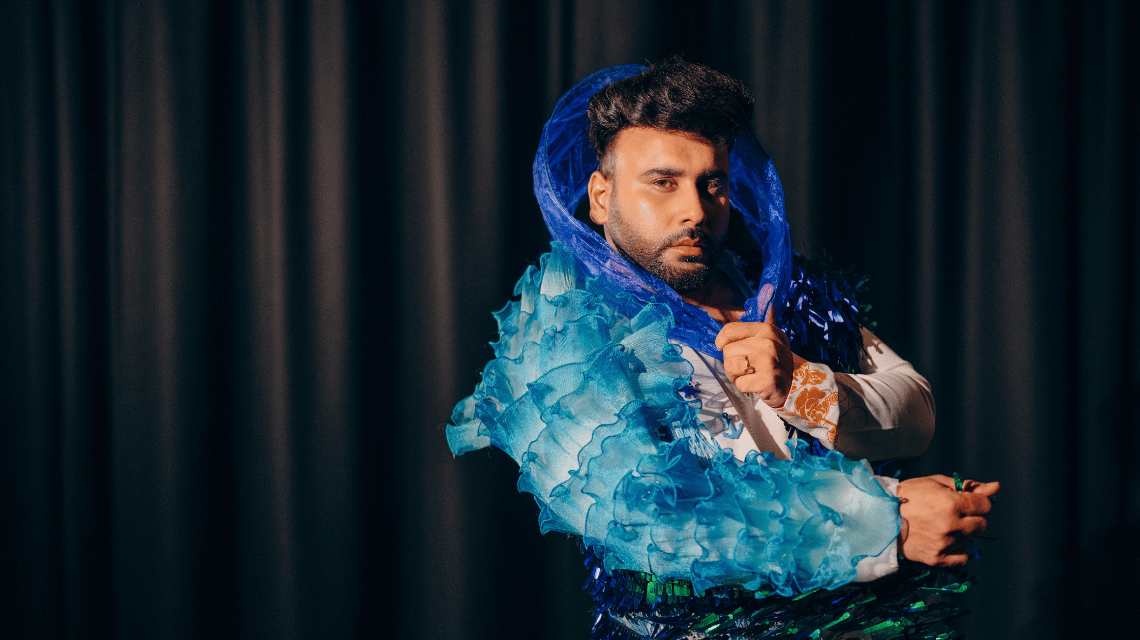
ਇਸ ਸਵੀਕਾਰ ਕਰਨ ਨਾਲ, ਮੈਂ ਆਪਣੀ ਸਿਹਤ ਨੂੰ ਤਰਜੀਹ ਦੇਣੀ ਸ਼ੁਰੂ ਕੀਤੀ। ਮੈਂ ਜਲਦੀ ਉੱਠਦਾ ਹਾਂ, ਮੈਂ ਕਸਰਤ ਕਰਦਾ ਹਾਂ, ਅਤੇ ਮੈਂ ਆਪਣੇ ਲਈ 9-5 ਤੋਂ ਬਾਹਰ ਉਹ ਕਰਨ ਲਈ ਸਮਾਂ ਕੱਢਦਾ ਹਾਂ ਜੋ ਮੈਨੂੰ ਪਸੰਦ ਹੈ: ਅਭਿਨੈ ਕਰਨਾ ਅਤੇ ਪਹਿਰਾਵੇ ਡਿਜ਼ਾਈਨ ਕਰਨਾ। ਆਪਣੇ ਲਈ ਅਤੇ ਆਨੰਦ ਲਈ ਸਮਾਂ ਲੱਭਣਾ – ਸ਼ਾਇਦ ਇਸ ਨੇ ਮੇਰੀ ਜਾਨ ਬਚਾਈ ਹੈ।
ਮੈਨੂੰ ਇਹ ਸਵੀਕਾਰ ਕਰਨ ਵਿੱਚ ਕਈ ਸਾਲ ਲੱਗ ਗਏ ਕਿ ਮਰਦ ਹਰ ਚੀਜ਼ ਨੂੰ ਕਾਬੂ ਵਿੱਚ ਨਹੀਂ ਕਰ ਸਕਦੇ, ਭਾਵੇਂ ਇਹ ਉਹੀ ਸਭ ਕੁਝ ਹੈ ਜੋ ਸਾਨੂੰ ਸਿਖਾਇਆ ਗਿਆ ਹੈ।
ਪੰਜਾਬੀ ਵਿੱਚ ਹੋਰ ਕਹਾਣੀਆਂ
In Conversation with Amit: English translation
“It took me years to accept that men can’t control everything, even if that’s what we’ve been taught,” shares Amit when asked about What Kind of Man Do You Want to Be? Respect Victoria sat with Amit who reflects on recognising the patterns and changing the story for himself.
I am a Melbourne based aerospace engineer who has a who has a multifaceted career across modelling, pageants and acting nationally and internationally. My overarching goal is to make a positive impact on the world by serving as a role model and supporting community, leveraging my platform and influence to inspire and effect change.
Do you think there are rules for how men should be?
I think we, as Indian immigrants, feel pressure to behave a certain way in this country. We also care about how we’re viewed back home. We’re balancing expectations from both worlds.
For men, responsibilities stand out. There are clichés like men don’t cry or show pain and must always be there for their families.
But I think those ideas have been imposed on us. Instead of focusing on “men” and “women,” I concentrate on humanity. My thinking has shifted as I’ve grown older.
What examples of masculinity did you have growing up?
My dad was the mayor. He worked long hours, from early morning to late at night, and was rarely home. He’s been a great dad and always supported us. But he often put work commitments before his own wellbeing, providing for family is an important part of our culture. As mayor, the community became an extension of family.
He had health problems but never went to the doctor. Then one day, he had a stroke and became paralysed.
I thought it was normal for men to set aside their own needs. Ignoring health matters seemed acceptable because providing for others came first.
What’s this meant for you?
At work, I feel pressure from my peers and manager. There’s also the constant need to improve.
Back in India, family pressures add to my stress levels. Helping them financially is one thing, but being alone here can feel very lonely.
Sometimes, I wake up at night. I hesitate to tell people what's happening because there's an expectation that men don't cry, things will be fine.
This expectation that men should be the bread earner, it's bizarre. It harms our health, the most important thing. And it's an expectation that has been made up by society.
A few years ago, I noticed my health declining. After a doctor visit, I learned I had diabetes, thyroid issues, and stress. I was heading down the same path as my dad. If I get sick, who will take care of my family?
What changes have you made for yourself?
The first thing was starting to really take care of my own health. I don’t want to be in the same situation as my dad – I have to help my family, it’s my responsibility, and I don’t want to be another burden on anyone.
And the second thing is, OK, how can I divert my mind from the stress? You have to find time for yourself and have at least one thing that can divert your mind and feel good about for a while.
It's really hard. But I think it's about acceptance. I think being human, we’re sometimes really scared to accept things.
Through that acceptance, I began prioritising my health. I get up early, I train, and I make time outside my 9-5 to do what I love: performing and designing costumes. Finding time for myself and for joy – it may have saved my life.
It took me years to accept that men can’t control everything, even if that’s what we’ve been taught.