This page begins in Chinese Traditional. Jump to read the same the same interview in English.
「身為男人,未必意味著你需要扛起整個世界。男人可以是懂得關心他人、體貼入微的人,同時也能夠在健康的環境中表達強烈的情感。」 Kevin在被問及「你想成為什麼樣的男人?」( What Kind of Man Do You Want to Be) 時如此分享道。
Respect Victoria與Kevin坐談時,Kevin反思了男性需要表現得強硬且始終掌控全局的想法,并闡述為何關愛和善良才是真正的力量。
與Kevin對話
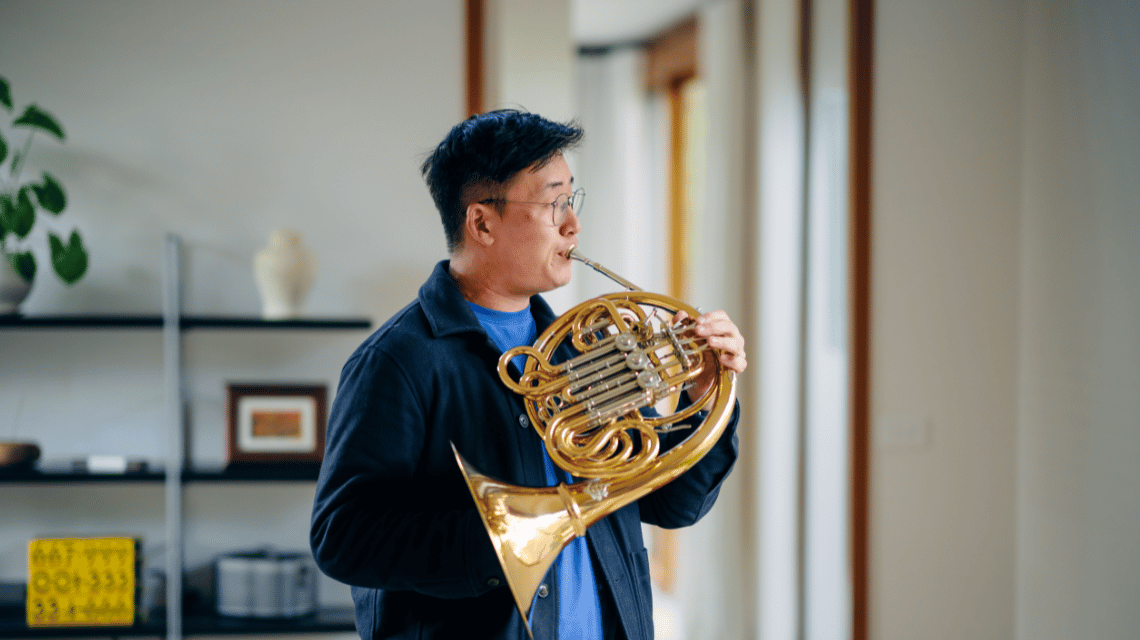
我是Kevin,現居墨爾本,從事銀行顧問工作,最近剛滿30歲。工作之餘,我喜歡旅行、看網球比賽、跑步,以及欣賞現場音樂會。我吹奏法國號,這讓我有機會參與社區管弦樂隊和音樂劇的演出。
你認為當今身為男性意味著什麼?
當今的男性不僅要照顧好自己的身體,也要照顧好自己的心理健康。這是男性首次開始公開談論內心感受的時代,儘管可能面臨評判。男性應該能夠感知自己的情感、深切關懷他人、建立健康的界限并樂于助人的人。
你可以詳細談談,你是如何形成這種對男性的定義嗎?
我來自一個有著坎坷歷史的移民家庭。我深知當父輩未能學會控制自己的情緒,並秉持「男子漢」或「大男人」的觀念時,長期生活在緊繃狀態是什麼感受。這意味著身處一種讓人时时感到不安、被輕視和受到傷害的環境中;也意味著,這些男性或父親所學的觀念,在他們的孩子身上創造了延續創傷的環境。所以,我認為,如果我們將那些原有的舊觀念反過來,就會培養出一個強大的男性,因為他懂得如何調節情緒,懂得如何用關懷、尊重和開放的態度溝通。我就是這樣形成自己的男性的定義的。
你是否覺得自己有責任指出其他男性的負面行為?
當然。我認為,作為一個社會,我們應該挑戰人們的思維方式,也要挑戰那些根深蒂固的觀念。但不應強迫他人接受。我認為这不是一種健康的談話方式。我認為,如果我們保持好奇,心存善意,並在某種程度上提出挑戰,讓對話得以展開,才是重要的。
你如何看待成功?
用那些讓你感到快樂、能挑戰你、推動你成為更好的人的事物來充實自己,並將快樂傳遞給他人。這些就是成功的衡量標準。
你的榜樣或最敬仰的人是誰?
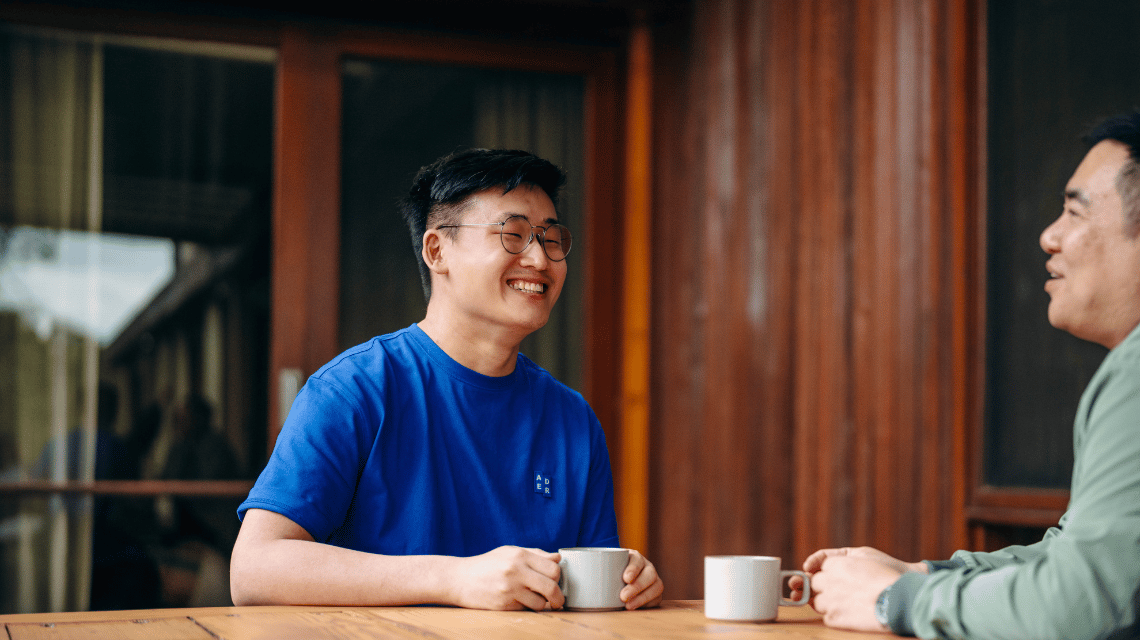
我的朋友們。我選擇這些人,是因為他們激勵我變得更好,他們幫助我從其他角度去看待問題,并拓展了我的世界觀。我有兩位十分敬仰的朋友。一位是我以前的同事。他是一位最善良、最酷、最體貼、最關懷他人的男性。他會傾聽,理解,并予以認可。另一位朋友,她總是激勵我變得更好。她所做的一切都非常出色,她激勵我不斷成為最好的自己。
這些積極的榜樣和人際關係,帶來了哪些改變?
如果沒有他們,我不會成為今天的自己。這些朋友教會我保持好奇,學會理解而不只是傾聽,學會關愛他人,并深切關懷。我選擇的這些朋友對我產生了巨大的積極影響,真的令人驚嘆,我對他們永遠心懷感激。
In Conversation with Kevin: English translation
“Being a man doesn’t necessarily mean that you need to take on the whole world. A man is someone who is caring, thoughtful, but also able to express big emotions in a healthy environment,” shares Kevin when asked about What Kind of Man Do You Want to Be?
'Respect Victoria sat with Kevin who reflects on the idea that men need to act tough and always be in control and why caring and kindness is real strength.
I’m Kevin, a consultant working in banking, based in Melbourne, who has recently turned 30. Outside of work, I enjoy travelling, watching tennis, going for runs, and experiencing live music. I play the French horn, which has allowed me to play in community orchestras and musicals.
What do you think being a man means today?
A man nowadays is someone who takes care of themselves not just physically but mentally. It is the first time that men are starting to talk openly, and judgment is always a possibility. A man is someone who is in touch with their emotions, someone who cares deeply, creates healthy boundaries, and helps others.
Can you talk to us more about how you came to define being a man this way?
I have come from an immigrant family with a very difficult history. I know how it feels to live constantly on edge when a father figure hasn’t figured out their emotion regulation and has had a framework of a man being a “Macho Man” or “大Da男Nan人Ren”. It means that traversing an environment where you’re constantly feeling unsafe, feeling discounted, and feeling hurt; it means the frameworks those men or fathers learned has created traumatic environments to perpetuate in their own children. So, I think if we take those older frameworks and do the opposite we get to a man who is seen as strong because they know how to emotionally regulate, they know how to communicate with care, regard, and openness. This is how I have come to define men.
Do you feel like you have a bit of a responsibility to call out other men's behaviour that you see as negative?
Absolutely. I think as a society we should be challenging how people think, and challenging people's ingrained mindsets. But not in a way where we're shoving things down their throat. I think that's just not a healthy conversation to have. I think if we just are curious, we are kind, we are challenging in a sense that we make it.
What is your idea of success?
Filling your own cup with things that make you happy, that challenge you, that push you to be a better human being and spreading happiness. These are successful measures.
Who are your role models, or who do you look up to?
My friends. They are the people I chose because they challenge me to be better, they help me look at other perspectives, and they’ve opened my world views. I have two friends I look up to. One friend I used to work with. He is the kindest, coolest, nurturing, and caring man. He listens, he understands, and he acknowledges. Another friend, she is always challenging me to be better. She has always excelled in everything she does and she inspires me to always be the best version of me.
What has changed as a result of these positive role models and relationships?
I wouldn’t be where I am today. These friends have taught me to be curious, to understand and not to just listen, to be nurturing and to care deeply. It is amazing that the people I chose have made a huge positive impact and I’m forever grateful to them.
More stories from Cantonese speakers