This page begins in Chinese Traditional. Jump to read the same the same interview in English.
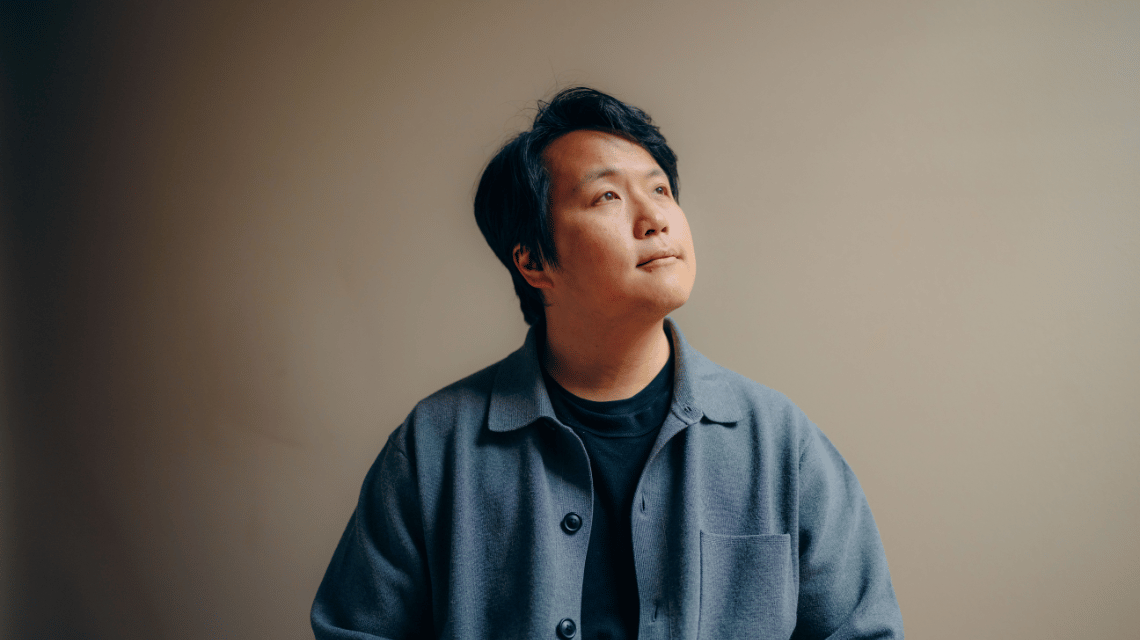
「我分享我的故事,是為了讓那些年輕男性、或那些像我一樣感到被他人或自己評判的男性知道,他們可以選擇成為自己想成為的人。」Kin在被問及「你想成為什麼樣的男人?( What Kind of Man Do You Want to Be)」時說道。Respect Victoria 與 Kin坐談時,Kin 反思了父親的意義,並構建了他自己對男性的理解。
與Kin對話
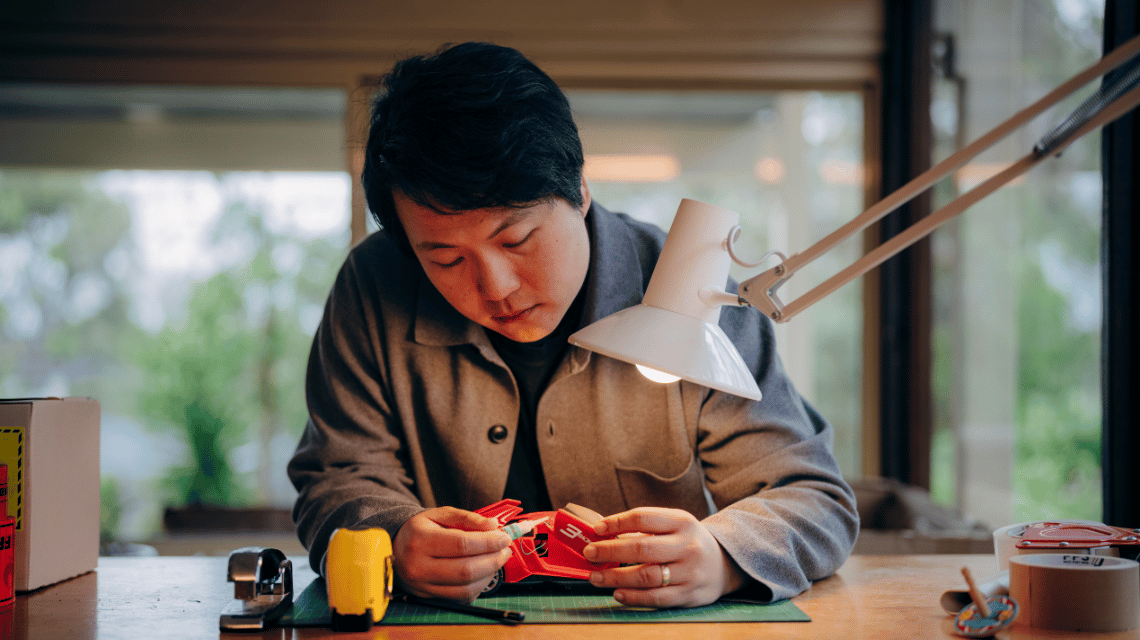
大家好,我叫Kin,38歲,是兩個孩子的爸爸。我領導一家殘疾人服務機構,同時也是一家社區住房機構的董事會志願者。除此之外,我還熱愛唱歌、吹薩克斯和帆船運動。我每年都會挑戰自己學習一項新技能。今年,我的目標是衝浪。
告訴我們,身為男性對你意味著什麼?
來到澳州後,我意識到,西方社會和東方社會對陽剛之氣的定義的差別。我的名字「Kin」,在粵語裡的實際意思是「堅強」。它承載著堅強的期待——但在中國文化中,這并不是指去健身房鍛煉肌肉,而是指在心理上承受壓力,并承擔起責任。
如果家庭陷入困境,父親會同時打兩三份工,每天工作12個小時以上來養家。這就是我的文化對陽剛之氣的定義。
西方文化則更注重身體力量和健康。保持健康,在60多歲時仍然英俊瀟灑并沒有什麼不好——兩種追求各有其美。但兩者也都有可能演變成不健康或有害的狀態。
在中國文化中,有陰陽之說;一切都講求平衡。即使飲水過多也對身體不好。陽剛之氣也是如此——當它過于強勢時,便會變得有害。有些男性認為自己高人一等,他們說的才算数,不容討論或爭辯。
我們只需要記住,幾乎所有事情上,我們都必須保持平衡。
在成長過程中,誰是你的榜樣?他們對今天的你有什麼影響?
我最早的「反面榜樣」是我的父親——他在家喝酒、抽菸,有時表現出攻擊性,喜歡諷刺人。我小時候模仿他。大約8歲時,全班同學都不再和我講話。很痛苦,但這是一個轉捩點。
在母親的幫助下——她充滿愛心,自學成才,話不多,但很睿智——我意識到,我的言語正将人推開。從那時起,我嘗試反其道而行:以尊重的態度與人交談,犯錯時勇於道歉,每天進步一點點。如果一定要說一個榜樣,那就是我的母親。我的父親則向我展示了我不想成為的樣子。
我此刻領悟的道理是:真正的力量在於選擇善良,並為自己待人的方式負責。
你認為怎樣才算是一個好父親?
身為父親的第一件事就是樹立榜樣——言行一致。第二件事是設定界限。
四五十年前,父母通常非常嚴格。他們把孩子當成是需要紀律的小士兵:整理床鋪,做這個,做那個。我試圖取得平衡。我仍然和孩子們一起有說有笑。我告訴他們,我愛他們。我告訴他們,即使做錯事也沒關系——他們只要道歉并反思自己的行為。這並不代表我不愛他們,但他們需要為自己的行為負責。
在我的文化中,至少在我的家庭裡,我的父親從未說過「我愛你」。他從不親吻我們,也不表達情感與愛意。但我會經常這樣做。
你想給年輕時的自己什麽建議?
更多地相信自己,也更自信一點。對自己寬容些。我仍然經常自我批評,但我正在學習接受自己會犯錯——有些嘗試可能不會成功。
我還記得,我在學校被視為「失敗者」。融入群體很難,我的成績不好,有幾個老師甚至稱我為“白癡”。我分享我的故事,是為了讓年輕的男性或像我一樣的男性,那些感到自己被他人或自己評判的男性知道,他們可以選擇成為自己想成為的人。成功,是由我們自己來定義的。
你並不孤單;我們很多人都有過相似的經歷。談論感受與困境無妨,懷抱夢想並設定目標亦無妨,即使有人告訴你不行。如果我的故事可以幫助哪怕一位夥伴重拾信心向前邁進一步,那麼這一切就值得了。
In Conversation with Kin: English translation
“I’m sharing my story so younger men, or men like me, who feel judged by others — or by themselves — know they can choose who they want to be,” Kin shares when asked about What Kind of Man Do You Want to Be? Respect Victoria sat with Kin who reflects on fatherhood and building his own version of what it means to be a man.
Hi, I'm Kin, 38, and I'm a father of two. I lead a disability provider organisation and volunteer on the board of a community housing organisation. Outside of all that, I love singing, playing saxophone, and sailing. One thing about me – I challenge myself to learn a new skill every year. This year, it's surfing.
Tell us what being a man means to you?
After coming to Australia, I realised the definition of masculinity differs between the Western world and the Eastern world. My name, "Kin", actually means "tough" in Cantonese. It carries an expectation of toughness — but in Chinese culture, we don't mean going to the gym and building muscle. We mean going through stress psychologically and taking responsibility.
If the family is struggling, the dad takes two or three jobs and works twelve-plus hours to support them. That's how my culture defines masculinity.
In Western culture, it's more about physical strength and health. There's nothing wrong with being healthy and looking good in your sixties — both approaches have their beauty. But both can also become unhealthy or toxic.
In Chinese culture, there's yin and yang; there's always a balance. Even drinking too much water isn't good for you. It's the same with masculinity — it becomes harmful when it's too dominant. Some men see themselves as superior, where what they say is final, with no argument or discussion.
We just have to remember balance, in pretty much everything we do.
Growing up who were your role models and how did that shape the man you are today?
My earliest "anti role model" was my father – he drank and smoked at home, could be aggressive, and used sarcasm. I copied that as a kid. Around eight, my whole class stopped talking to me. It hurt, but it was a turning point.
With my mum’s support – she’s loving, self-taught and quietly wise – I saw my words were pushing people away. Since then, I’ve tried to do the opposite: speak with respect, apologise when I get it wrong, and keep improving a little each day. If I must name one role model, it’s my mum. My father showed me what I did not want to be.
The lesson I carry now: real strength is choosing kindness and taking responsibility for how you treat people.
What do you think makes a good dad?
The first thing about being a dad is being a role model — doing what you say. The second is setting boundaries.
Forty or fifty years ago, parents were often very strict. They looked at kids like little soldiers who needed discipline: make your bed, do this, do that. I try to strike a balance. I still laugh with my kids. I tell them I love them. I tell them that even if they've done something wrong, it's okay — they just have to say sorry and think about what they've done. It doesn't mean I don't love them, but they do have to own it.
In my culture, at least in my family, my dad never said "I love you." He never kissed us or expressed emotion and affection. But I do a lot of that.
What advice would you give to your younger self?
Believe in yourself more and be more confident. Go easier on yourself. I still have a lot of self-criticism, but I'm learning to accept that I can make mistakes — that some things I try won't succeed.
I remember being seen as a "loser" at school. Fitting in was hard, my marks were poor, and a few teachers even called me an idiot. I'm sharing my story so younger men — or men like me — who feel judged by others or by themselves know they can choose who they want to be. Success is something we define for ourselves.
You're not alone; many of us have walked the same path. It's okay to talk about feelings and struggles. It's okay to dream and set goals, even when people tell you that you can't. If my story helps even one bloke back himself and take a step forward, it's worth it.