

This page begins in Arabic. Jump to read the same the same interview in English.
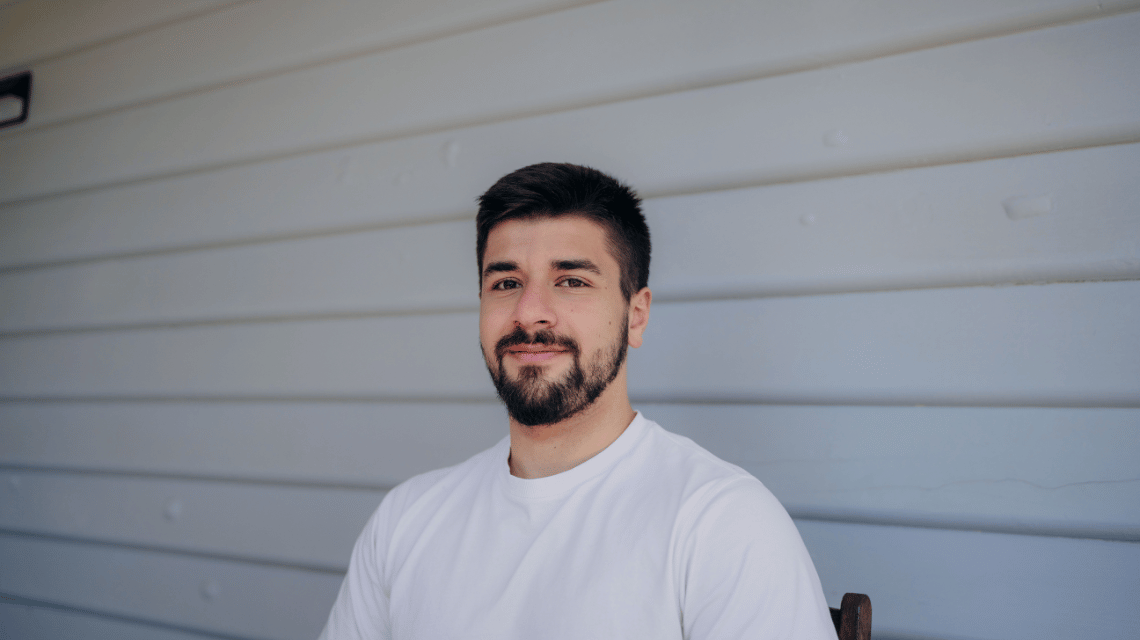
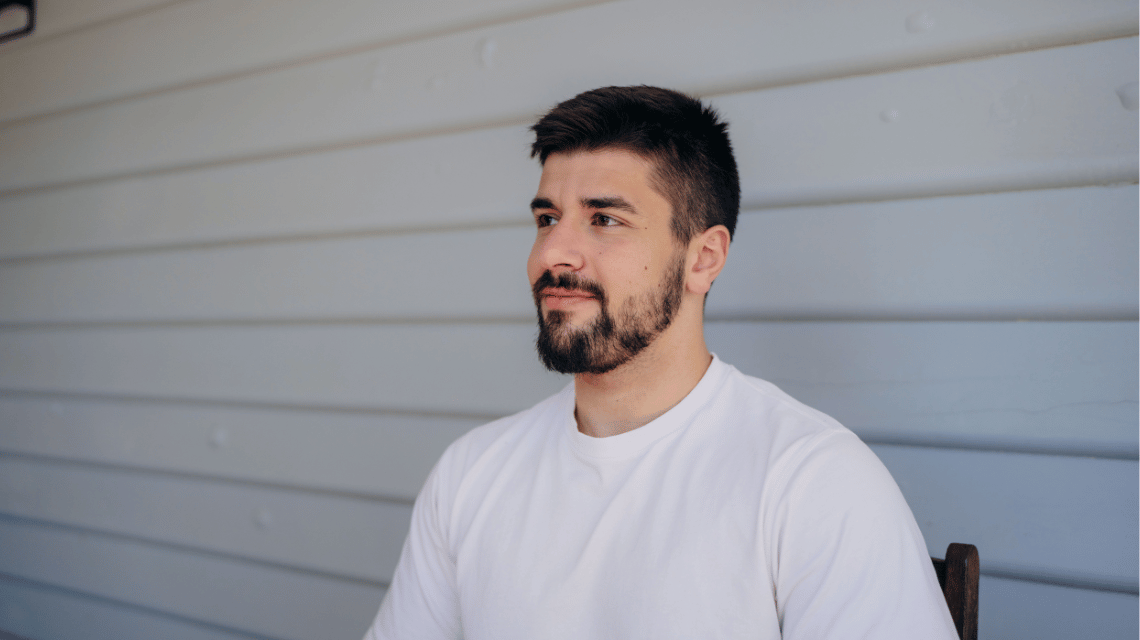
"أن تكون مُعيلًا لا يعني أن تتحمل كل شيء وحدك"، هكذا أجاب Asem عندما سُئل عن أي نوع من الرجال يريد أن يكون. أجرت Respect Victoria حواراً مع Asem الذي تأمّل في مسؤولية أن تكون "مُعيلًا"، ولماذا يعتقد أن الضعف يحتاج إلى حدود، وكيف ساعده إيجاد مجتمع من خلال رقصة الدبكة الشعبية في بناء صداقات حقيقية، والحصول على الدعم، والشعور بالانتماء.
في حوار مع Asem
أنا Asem، عمري 23 عامًا، وأعمل حاليًا في المبيعات وإدارة الحسابات في شركة تقنية مقرها في Gold Coast. لديّ خبرة واسعة في بناء العلاقات والعمل عن كثب مع العملاء، وهو أمر أستمتع به حقًا.
خارج نطاق العمل، أعشق السفر، وقد حالفني الحظ بزيارة 35 دولة حتى الآن، وأنا دائمًا متشوّق لاستكشاف ثقافات وأماكن وتجارب جديدة.
ما هو المهم بالنسبة لك خارج نطاق العمل والدراسة؟
المجتمع. أنا فلسطيني، وأنا عضو في فرقة دبكة هنا. عندما عدت إلى أستراليا لأول مرة، كانت لغتي الإنجليزية جيدة بشكل رسمي، لكن التواصل الاجتماعي مختلف. جمعتني الدبكة بأشخاص من جيلي، وفجأة وجدت مكانًا لا أضطر فيه لشرح كل شيء عن خلفيتي. بمجرد أن أتحدث، يفهمونني. نتدرب، ثم نلتقي لتناول القهوة أو الطعام. الصداقات الحقيقية تنشأ من قضاء الوقت معًا.
كيف ساعدك هذا المجتمع كرجل؟
يُسهّل هذا المجتمع عليك التحدث عندما تُثقل عليك الحياة. خاصةً عندما ترى أحباءك يمرون بصدمات، والعالم يُبدي آراءً دون فهم. أحيانًا لا تحتاج حتى إلى شرح. التواجد بين أناسٍ متفهمين هو بحد ذاته دعم.
ماذا تعني لك الرجولة الآن؟
ببساطة، رجلٌ قادر على إعالة عائلته، شخصٌ يُمكنهم الاعتماد عليه. لكن الأمر ليس بهذه البساطة في الواقع. للوصول إلى ذلك، عليك العمل بجد. وفي كثير من الأحيان تشعر أنك لا تستطيع إظهار معاناتك في المنزل، لأنك تشعر أن واجبك هو الحفاظ على استقرار الأمور.
أود أن أكون شخصًا يُدرك أن الحياة أوسع من الضغوط النفسية، وأوسع من العمل، وأنه ليس عليك تحمُّل كل شيء في صمت.
هل تغيّرت فكرتك عن الذكورية مع مرور الوقت؟
ليس في جوهرها. في ثقافتي، إذا أردتَ بناء حياة، والزواج، وتكوين عائلة، يُتوقع منك أن تكون مُعيلًا. هذا لا يختفي بمجرد انتقالك للعيش في مكان آخر. لكن العيش هنا والتعرف على أناس من خلفيات مختلفة، وحتى السفر، يمنحك منظورًا أوسع. تفهم كيف يعيش الآخرون، وتصبح أقل إصدارًا للأحكام. كما أنك ترغب في أن تُحترم طريقة عيشك أيضًا.
هل تعتقد أنه بإمكانك أن تكون مُعيلًا وفي الوقت نفسه تشعر بالضعف؟
إلى حدٍ ما، نعم. لا تريد أن تُحمِّل عائلتك كل تفاصيل المشكلة. إذا كان هدفك من كل هذا الكفاح هو جعلهم يشعرون بالأمان والسعادة، فلا تريدهم أن يعيشوا التوتر معك يوميًا. لكنك ما زلت بحاجة إلى الدعم من حولك. ويجب أن يعرف الناس متى يحدث شيء ما، والهدف هو حله، لا تجاهله.
في ثقافتنا، قد يبدو الآباء رسميين وحازمين للغاية. لكنني أتوق إلى علاقة يسودها الصدق والتواصل. قال لي أحد أصدقائي شيئًا أعجبني حقًا: إذا سأل طفلك سؤالًا ولا تعرف إجابته، فقل: "حسنًا، سنبحث عنه معًا الليلة". هذه رابطة حقيقية. أريد تلك العلاقة بين الصديق والأب، لا مجرد سلطة.

مع من تتحدث عندما تواجه مشكلة ما؟
مع الأصدقاء، ولكن ليس لمجرد الكلام. أفضل التحدث إلى شخص أعرف أنه قادر على المساعدة في حل تلك المشكلة. شخص يساعدك على التفكير، وإيجاد حل، وتجربة شيء ما، ثم التواصل معك مجددًا. هذا أفضل من قول "لا تقلق، كل شيء سيكون على ما يرام"، حتى وإن كان هذا الشعور مريحًا في حينه.
هل يمكنك إعطاء مثال على وقت كنت تعاني فيه؟
كنت أحاول ترك وظيفة لم أعد أطيقها. كانت تُغطي نفقاتي، لكنني كنت غائباً ذهنياً. كنت أذهب إلى العمل وأتساءل: "ماذا أفعل هنا؟" كنت أريد وظيفة يبقى فيها العمل في مكان العمل. لأنه عندما يستحوذ على تفكيرك، يُبعدك عن أصدقائك وعائلتك وكل شيء. تعود إلى المنزل، تجلس في غرفتك، تتصفح الإنترنت، وتبحث عن أعمال جانبية، أي شيء للهروب. بقيتُ على هذه الحال لعدة أشهر، وكان الناس من حولي يلاحظون أنني لست على طبيعتي.
ما الذي تغيّر؟
في النهاية، وجدتُ وظيفة أخرى وتركت. ولاحظ أصدقائي ذلك. قالوا لي: بالحقيقة لقد استعدت نفسك وأصبحت حاضراً.
لو أتيحت لك فرصة عيش تلك الفترة مرة أخرى، ما الذي كنت ستفعله بشكل مختلف؟
كنت سأتحدث عنها أكثر. بدلاً من التذرع دائماً بـ"مشغول" أو "أمور عائلية" والاختفاء. لأن أصدقاءك عندما لا يعرفون ما يحدث، يستمرون في الضغط عليك للظهور، وهذا يُشعرك بالضغط. إذا تفهموا وضعك، سيدعمونك، ولن تشعر أنك تُعاني وحدك.
ماذا كنت ستقول لنفسك الأصغر سناً عن الرجولة؟
توقف عن التفكير بأنه عليك معرفة كل شيء فوراً. كنتُ أعيش عقلية العمل الجاد: الحصول على الشهادة، وكسب المال، وعدم السفر، وعدم إهدار أي شيء. فقط العمل بجد. لكن هذه ليست حياة حقيقية. يمكنك العمل بجد والاستمتاع بالحياة. لا يمكنك استعادة سنوات العشرينيات الأولى من عمرك. يمكنك دائمًا العودة وكسب المال، لكن لا يمكنك دائمًا العودة لإجراء تلك المقايضة، أو القيام بتلك الرحلة، أو خوض تلك التجربة. اعمل بجد، وابذل قصارى جهدك، وعندما يحين وقت الراحة، استرح حقًا.
المزيد من القصص باللغة العربية
In Conversation with Asem: English translation
“Being a provider doesn’t mean you carry everything alone,” shares Asem when asked what kind of man he’s trying to be. Respect Victoria sat with Asem who reflects on the responsibility of being ‘the provider’, why he believes vulnerability needs boundaries, and how finding community through Dabke folk dancing helped him build real friendships, support, and belonging.
I'm Asem, I’m 23 years old, and I currently work in sales and account management for a tech company based on the Gold Coast. I have a strong background in building relationships and working closely with clients, which is something I genuinely enjoy.
Outside of work, I love travelling, I’ve been lucky enough to visit 35 countries so far, and I’m always keen to explore new cultures, places, and experiences.
What’s important to you?
Community. I’m Palestinian, and I’m part of a Dabke group here. When I first came back to Australia, my English was okay in a formal way, but connecting socially is different. Dabke gave me people around my age, and suddenly I had a place where I didn’t have to explain everything about where I’m coming from. You say something, they just get it. We train, then we grab coffee or food. Real friendships come from time together.
How has that community helped you as a man?
It makes it easier to talk when life is heavy. Especially when you’re watching your people go through trauma and the world has opinions without understanding. Sometimes you don’t even need to explain. Being around people who understand is already support.
What does being a man mean to you now?
In simple words, a man who can provide for his family, someone they can rely on. But it’s not simple in real life. To get there, you work hard. And a lot of the time you feel like you can’t show struggle around the house, because you feel like it’s your job to keep things steady.
I’d like to be someone who knows life is bigger than stress, bigger than work, and you don’t have to carry everything in silence.
Growing up has your idea of masculinity changed over time?
Not the core of it. In my culture, if you want to build a life, get married, have a family, you’re expected to be a provider. That doesn’t just disappear because you live somewhere else. But living here and meeting people from different backgrounds, even travelling, it gives you perspective. You understand how other people live and you judge less. And you also want your way of living to be respected too.
Do you think you can be a provider and still be vulnerable?
To a certain limit, yes. You don’t want to bring every single step of the problem into your family’s life. If the whole point of your struggle is to make them feel safe and happy, you don’t want them living the stress with you every day. But you still need support around you. People should know when something’s going on, and the goal is to solve it, not ignore it.
In our culture, dads can feel very formal, very firm. But I’d love a relationship where there’s honesty and connection. One of my friends said something I really liked: if your kid asks something and you don’t know, you say, “Alright, tonight we’ll look it up together.” That’s a real bond. I want that friend-and-father connection, not just authority.
Who do you talk to when you’re dealing with something?
Friends, but not just to talk for the sake of talking. I’d rather speak to someone I know can actually help with that issue. Someone who can help you think, find a solution, try something, and then check in again. That’s better than “Don’t worry, it’ll be fine,” even though that can feel nice in the moment.
Can you give an example of a time you were struggling?
Trying to leave a job I couldn’t stand anymore. It paid the bills, but mentally I was gone. I’d go to work and think, “What am I doing here?” I wanted a job where work stays at work. Because when it gets in your head, it pulls you away from your mates, your family, everything. You come home, sit in your room, scroll, research, look for side hustles, anything to escape. I was like that for a couple of months, and people around me could tell I wasn’t myself.
What changed?
I eventually found another job and left. And my mates noticed. They were like, you’re back. You’re actually present again.
If you could do that period again, what would you do differently?
I’d talk about it more. Instead of always saying “busy” or “family stuff” and disappearing. Because when your friends don’t know what’s happening, they keep pushing you to show up, and it feels like pressure. If they understand, they can support you, and you don’t feel like you’re doing it all alone.
What would you tell your younger self about being a man?
Stop thinking you have to figure out everything instantly. I had that hustle mindset: get the degree, make money, don’t travel, don’t waste anything. Just grind. But that’s not really living. You can work hard and still enjoy the journey. You can’t get your early twenties back. You can always come back and make money, but you can’t always come back and do that exchange, take that trip, have that experience. Work hard, do your best, and then when it’s time to rest, actually rest.
More stories in Arabic