
We talked to Jack about friends. Jack values friendships, especially those where he can be himself, be open and not feel like he has to hide parts of himself – this has been an important part of his journey in reflecting on what masculinity means to him.
In conversation with Jack
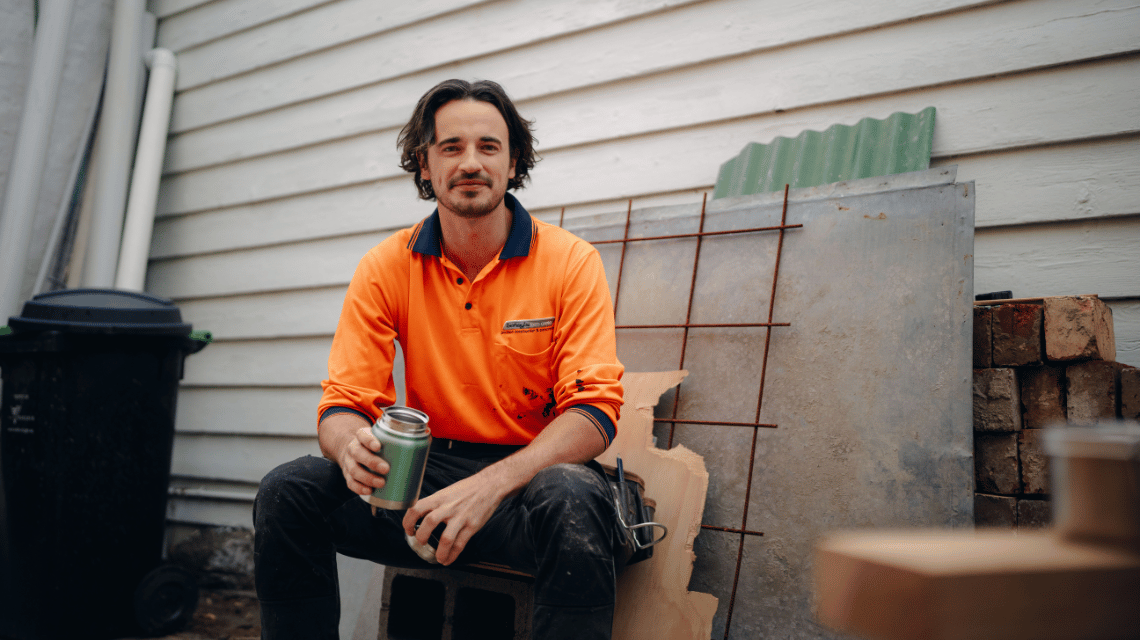
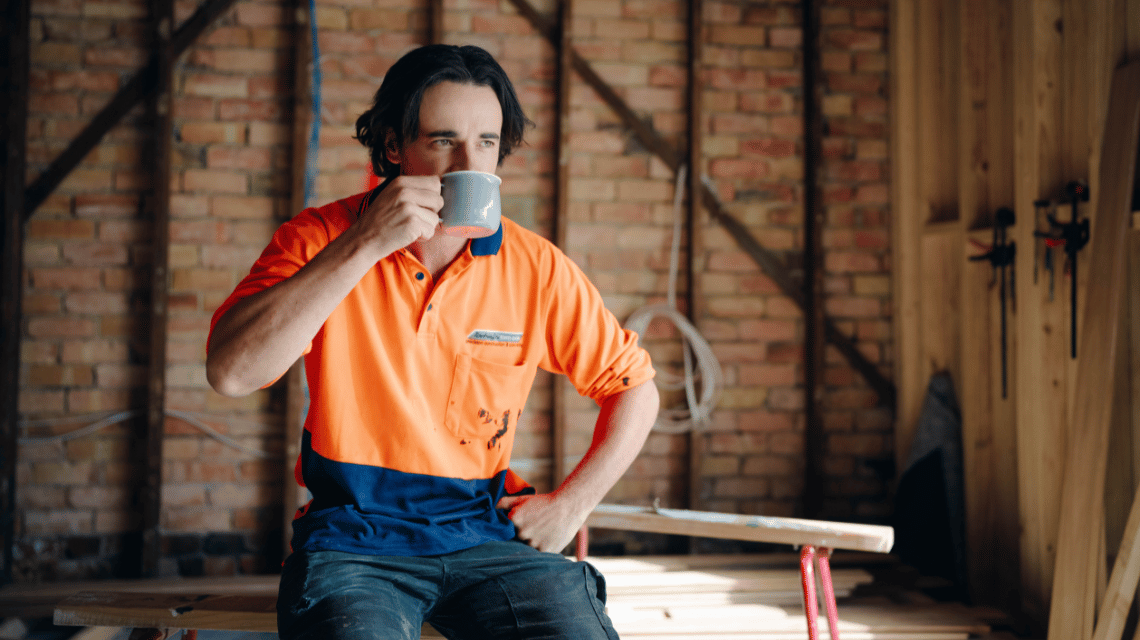
My name’s Jack. I’m a tradie working in construction, and I’m from Ballarat. I grew up just outside Ballarat in a tiny town, the kind of place where everyone knows everyone and the footy club is basically the main social scene.
What was it like growing up there?
It was small-town life. Not a lot going on, so you’d hang around with your mates, go to footy, and most things revolved around the club. In a place like that, the older players and coaches are a big influence. They’re who you look up to, whether you realise it or not.
Why do you think it’s important to talk about masculinity?
Because masculinity can have a major impact, for good or for harm. If it’s shaped in a positive way, it can help men, relationships, workplaces, and communities. But if it’s focused in the wrong direction, it can be damaging, to yourself and to the people around you. So it matters how we treat it, and what we think it should look like.
What pressures do you think men are facing right now?
A lot of men are trying to work out where they fit. Trying to meet expectations. Trying to work out what “being a man” even means, and where to get meaning from. What role models to follow, what’s worth chasing, what’s expected in friendships, relationships and work. That uncertainty can make it easy to fall into patterns that don’t actually feel right.
What was that like for you, trying to fit in?
It was messy. Growing up, I had some good role models and some not-so-great ones. It takes time to learn who to listen to and who not to. When you’re young, you can end up in the wrong crowds or chasing the wrong kind of status. Trying to fit into places that aren’t healthy, and finding purpose in things that don’t really build you up.
Where did those “role models” come from?
Footy culture and school, mainly. In a small town, the footy club is a big deal. You’ve got older players, coaches, and people a few years ahead of you who set the tone. There’s a lot of good in it. Things like discipline, teamwork, leadership, learning to put in effort and make sacrifices for something bigger than yourself.
And what was the flip side?
Peer pressure. Drinking, partying, chasing validation. The idea that being “fun” or “macho” is the goal. And the pressure to keep up, to be edgy, to go further, to never be the one who taps out. No one really calls it out, because everyone’s feeding off each other.
Can you describe a moment where you realised things had gone too far?
There were a lot of situations where inappropriate stuff was said or done, but it became really clear when it got personal. Especially in how my mates expected me to act around my girlfriend.
I got shamed for showing affection. Holding hands, saying something kind, being openly caring. It was treated as “soft”. So I changed. I acted one way with her, then switched into a different version of myself when the boys were around.
What did that pressure feel like?
It felt like you were always managing your status. Like losing your place in the group was one of the worst things that could happen. You could see the shame coming. Things like the jokes, the pile-on, and you’d do anything to avoid being the odd one out. So you toe the line, even if it costs someone else.
How did that affect your relationship?
My girlfriend called me out, and it was confronting. It’s hard to fully know what it felt like for her, but it came through as disappointment, and honestly, like betrayal. Not because she wanted “a lot”, but because she felt pushed aside. Like the boys came first, and she came second.
How did you start to change?
It happened gradually. At first I got defensive. I didn’t want to hear it. But things in that friendship group kept escalating. More alcohol, more trying to outdo each other, more personal shots. Eventually it led to conflict and situations that were more jarring and harder to ignore. It forced me to reflect on whether my partner was right. That I wasn’t being myself around those people.
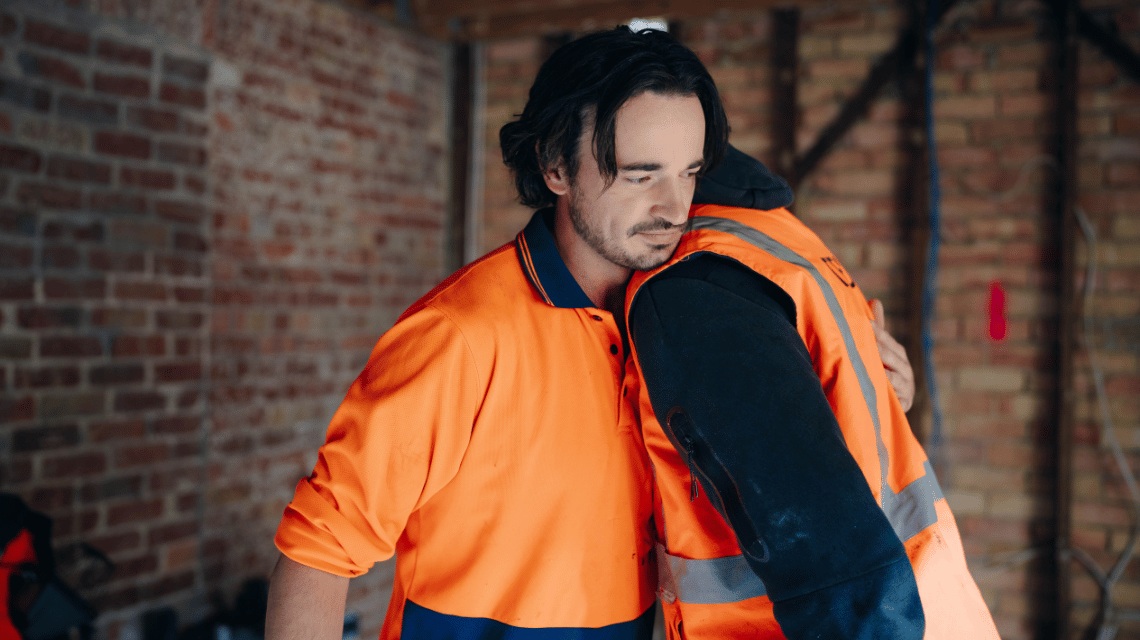
What would life have looked like if you and your mates didn’t shame each other?
We probably still would’ve hung out, still gone camping but the whole dynamic could’ve been healthier. If we’d been open with each other, honest about what we really care about and what really matters, we could’ve supported each other properly. Better relationships, better goals, better coping when stuff was going on. Most of us had things we were dealing with, but no one spoke up, so it all got bottled up. A healthy support group makes everything easier: relationships, work, purpose, and just being a decent person to be around.
How did you rebuild a healthier version of friendship?
Slowly. It’s a long process to remove yourself from a situation you’ve been in for ages.
I had to recognise who was a positive influence, lean into the good supports I already had (my family helped a lot), and put myself out there. New jobs, hobbies, meeting people with different interests. The key was finding mates where the “bond” wasn’t just getting drunk and ripping into each other, but real connection, shared interests, and being able to talk honestly.
What’s it been like learning to be more open?
Hard at first. When you’ve spent years learning to suppress feelings and affection, it feels scary to start talking about emotions. But once you find people who actually care and will listen, it’s surprising how quickly things start flowing. And the more you do it, the easier it gets. Eventually there’s no barrier. So now, instead of bottling things up, you can talk early, get advice, and realise you’re not the only one dealing with stuff. It stops problems building and helps you move through life with more support, more clarity, and more honesty.