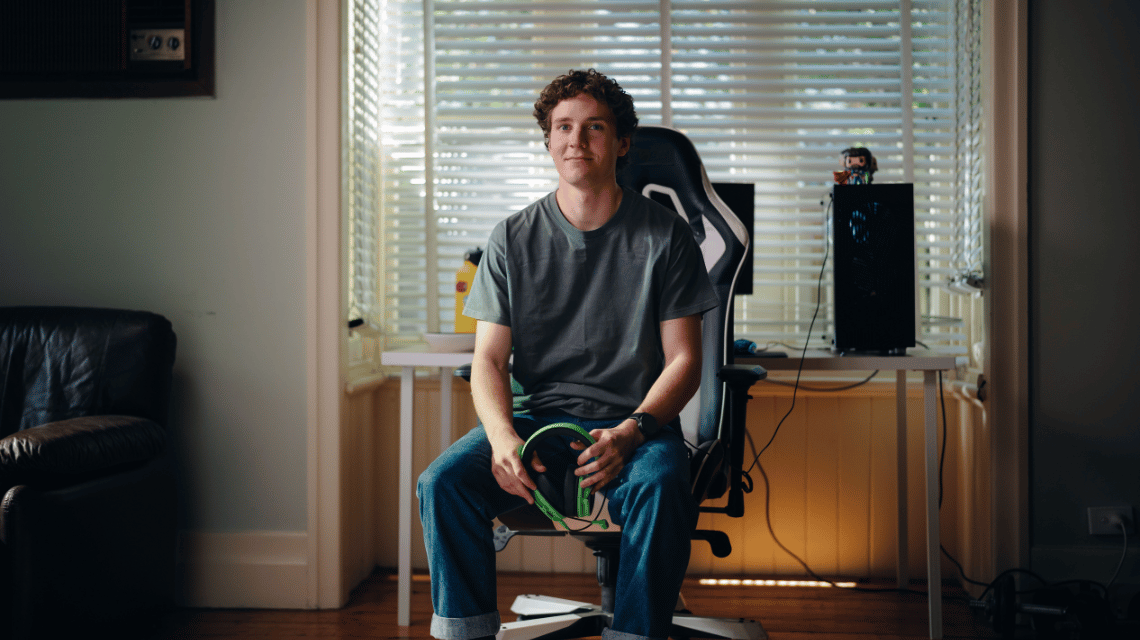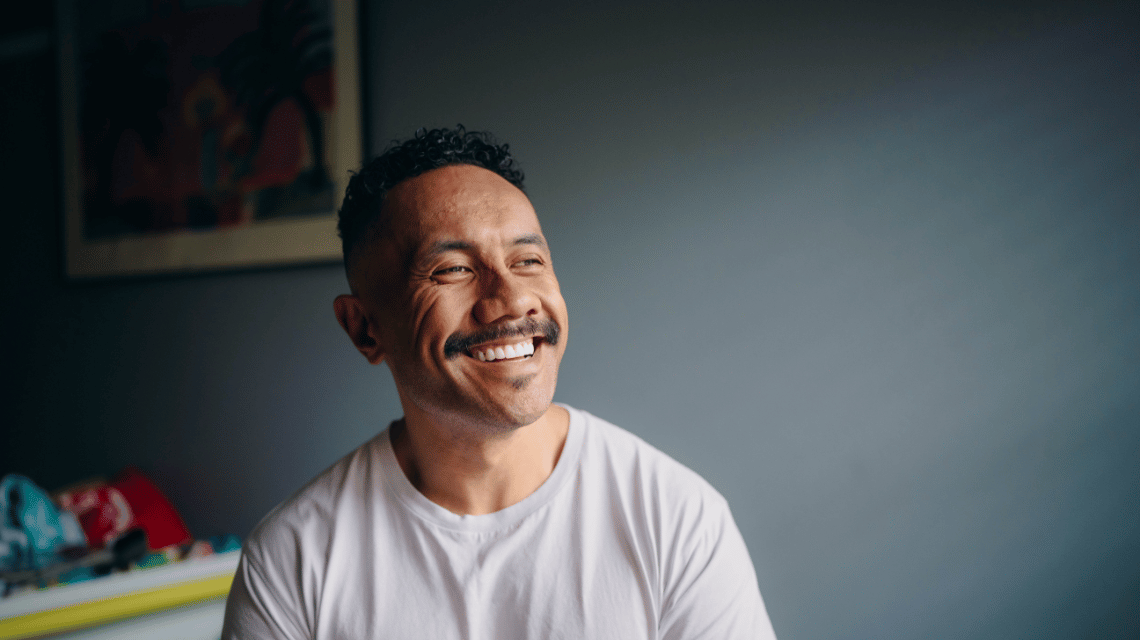

Jefferson spoke to us about the dangers of online hatred disguised as self-help, and the importance of being able to feel, understand and process emotions.
In conversation with Jefferson
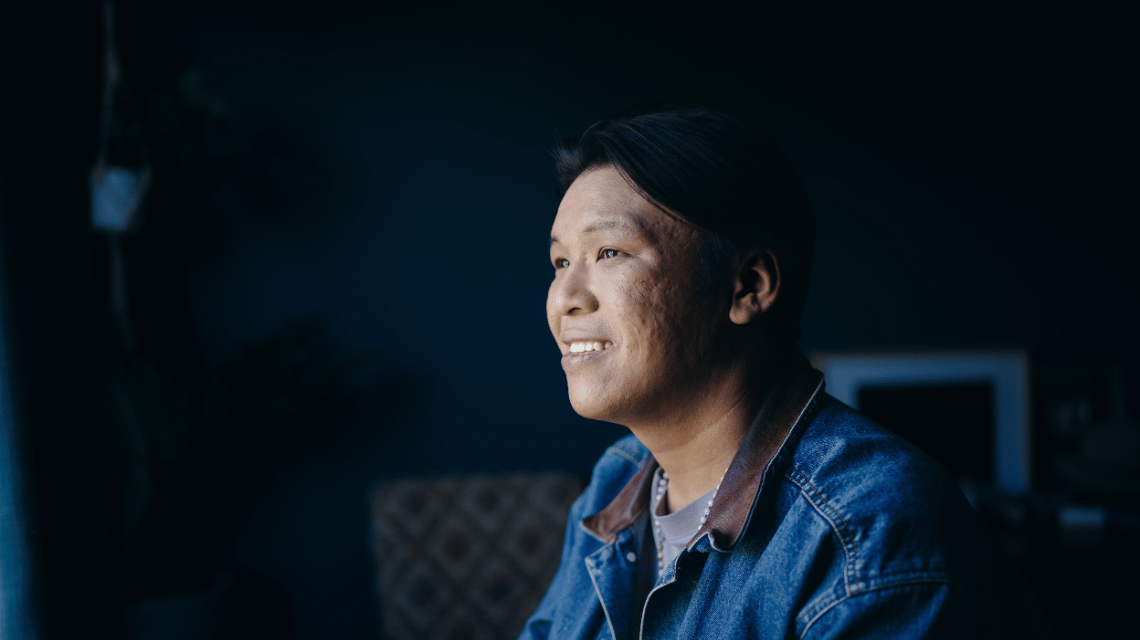
I’m Jefferson. I was born and grew up in Perth, and now live in Kensington. My parents immigrated to Australia from Vietnam and worked incredibly hard to build a safe, stable life for our family. That sense of responsibility and work ethic shaped a lot of how I saw the world growing up.
What did masculinity look like to you when you were younger?
It looked very stoic. Quiet. Strong, but in a way where you don’t talk about what’s going on inside. My dad went through a lot before coming to Australia, and I think his way of coping was to keep going, keep providing, and not dwell on emotions. He was serious, but also very funny. Humour was how he expressed himself. I think I inherited that from him. He also mostly showed his emotions doing lots of acts of service to show his love, such as cooking for anyone.
How did that affect you growing up?
I think it left a gap. I knew I felt things deeply, but I didn’t really have the tools to understand or express those feelings. When you grow up never seeing emotions named or talked through, you don’t learn how to do it yourself. You feel something inside you, but you don’t quite know what to do with it.

Was there a moment that’s really stayed with you?
When my uncle passed away suddenly. My dad stepped straight into responsibility. Helping family, taking care of everyone else. He never really showed what he was feeling. I remember wishing he would sit down with me and say, “I’m devastated. I’ve lost someone I love.” I think being able to share that grief together would have helped both of us.
How did you respond to that, as a young person?
I went the other way. I became very emotional. I wanted to feel things fully and talk about them.
Sometimes that meant oversharing. Things like unloading really deep feelings on people I’d just met. It came from wanting connection and understanding, but not always knowing how to pace it.
Did you ever push against that side of yourself?
Yes. Especially as a teenager. I fell into an online rabbit hole where men talked about emotions, but in a dangerous way – blame disguised as help. Incel communities that validate anger, body hatred, and resentment towards women instead of encouraging real reflection or growth.
What drew you into those spaces?
I felt listened to. It wasn’t that I felt I belonged. It was that people were saying, “I get it. I feel the same.” It became an echo chamber of hurt and frustration, where blame was placed everywhere except inward. At the time, that felt comforting.
How did that way of thinking affect how you saw women?
It distorted everything. I didn’t really have friendships with women then. Every interaction felt transactional or loaded with expectation. That mindset dehumanised women, and honestly, it dehumanised me too. It stopped me from forming genuine, healthy connections.
What helped you break out of that cycle?
My sister. She saw what was happening and called it out. Not gently, but honestly. She helped me see that what I was consuming and repeating wasn’t making me closer to people. It was pushing them away.
It wasn’t an instant switch, but her presence and willingness to challenge me changed everything. We’re incredibly close now, and I credit her with pulling me out of a dangerous algorithm.
Looking back, how do you feel about that period now?
Grateful that I didn’t stay there. I can see how easy it is for young men, especially those who feel insecure or unseen, to get pulled into spaces that validate anger instead of helping them understand it. I see it happening to others now, especially online.
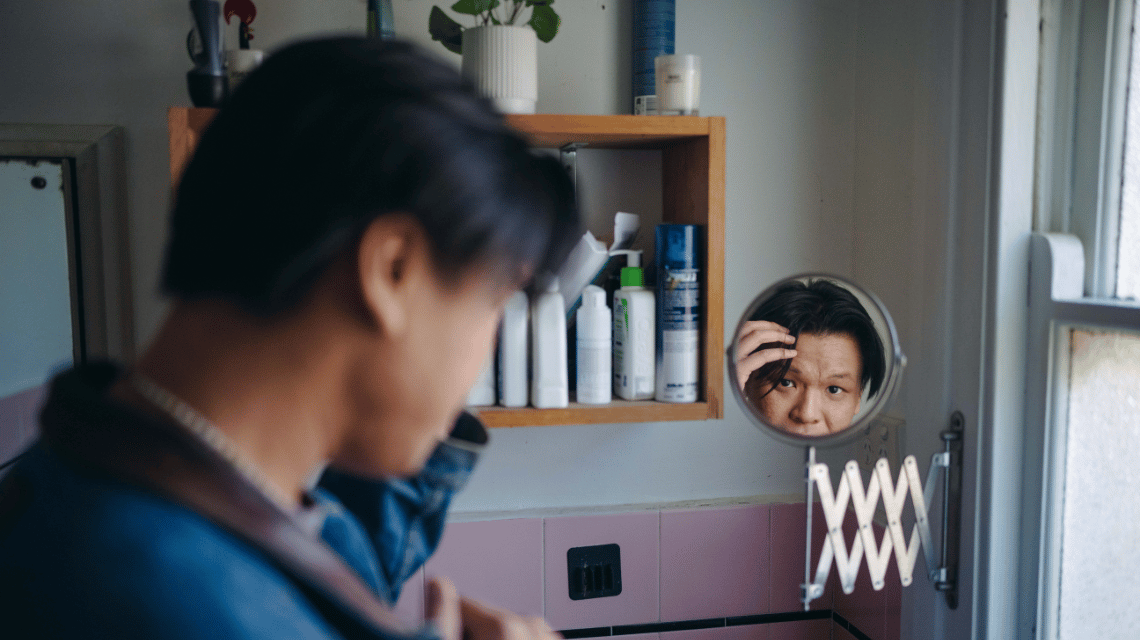
You’ve spoken about anger and how it can come out. What did that look like for you?
I didn’t always realise how scary anger can be, especially coming from a man. There were moments where I couldn’t explain what I was feeling, so it came out physically. Things like slamming things, raising my voice, being loud without meaning to be aggressive. Looking back, I can see how frightening that would have been for someone else.
What’s changed in how you deal with emotions now?
I’ve learned that if you don’t process emotions, they come out sideways. Anger, frustration, insecurity. They all need to be felt, understood, and named. Otherwise, they turn into something that hurts you or the people around you. Therapy helped me understand that.
What does masculinity look like to you now?
I think masculinity is evolving. Strength isn’t about silence. It’s about using your voice responsibly. Creating space for others. Being someone people feel safe around. Listening, reflecting, and being willing to change.
What kind of man do you want to be?
I want to be someone who creates space for honesty. A person people can sit with and talk to about anything without fear of judgement. Someone who listens, relates, and doesn’t shy away from difficult conversations.
What would you say to young men who feel pulled into online spaces built on hate?
Sit with your emotions. Feel them. Question why you’re feeling them. And then talk to someone who genuinely cares about you. If someone won’t listen, they’re probably not the person you need right now. The people who truly care about you have your best interests at heart and talking will always leave you feeling lighter than staying silent.
If the pressure to “be a certain kind of man” didn’t exist, what do you think the world would look like?
Safer. Happier. I think we’d have more men who can express themselves, more people who feel safe around men, and fewer young men comparing themselves to impossible standards.
Without those pressures, we could focus on understanding ourselves and each other instead of trying to live up to someone else’s idea of what a man should be.