This page begins in Chinese Simplified. Jump to read the same the same interview in English.
“我的父亲是我的榜样。不是因为他的男子气概,而是因为他待人友善、公平公正。”当被问及“你想成为什么样的男人?( What Kind of Man Do You Want to Be)”时,Howard这样分享道。Respect Victoria采访了Howard,他反思了接纳自我和构建幸福生活的重要性。
以下是与Howard的对话
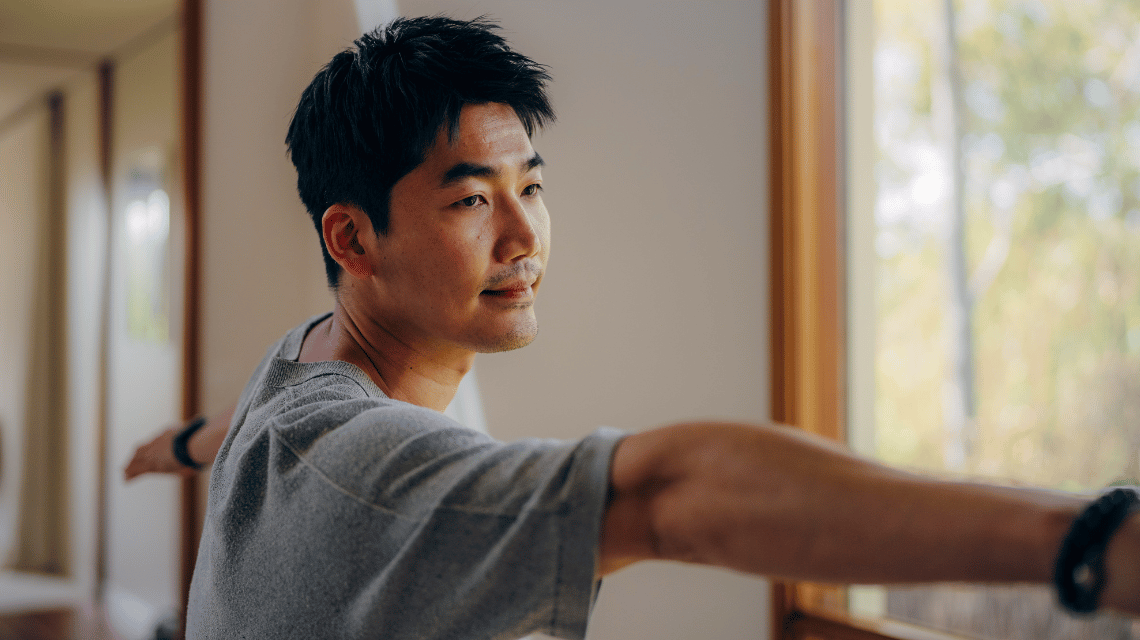
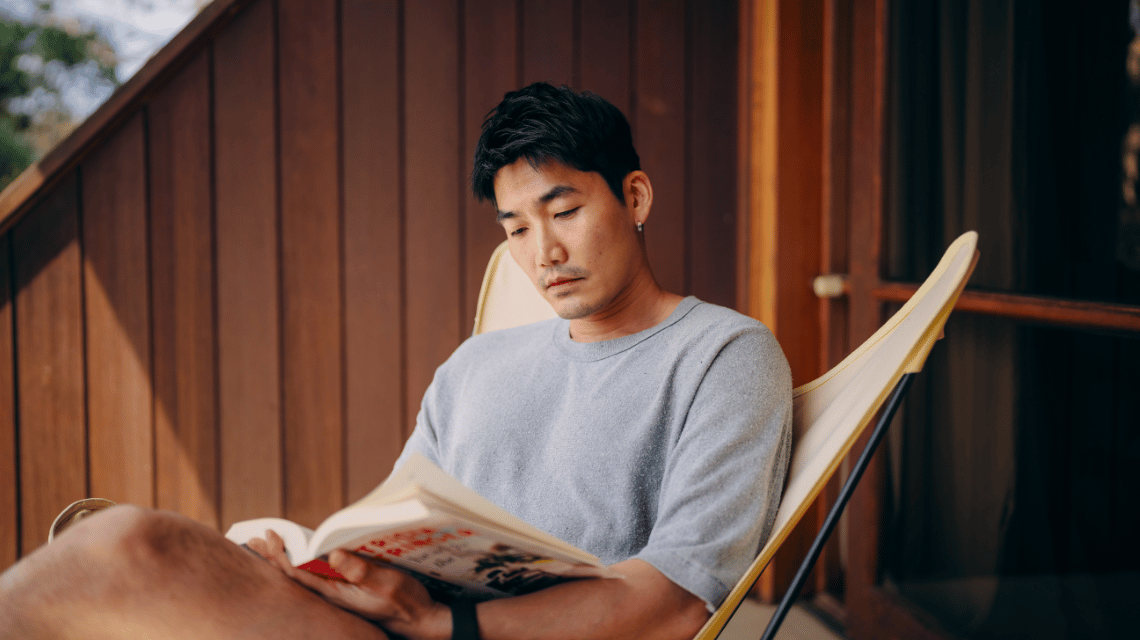
大家好,我叫Howard,今年41岁。在IT行业工作了七年后,我决定转换方向,现在正在学习室内设计。闲暇时,我喜欢瑜伽、品尝咖啡、阅读以及和朋友们聚会。
你小时候有没有认真思考过男子气概?
我成长于传统的中国/台湾价值观家庭。我从小就被教育儿子和孙子非常重要,而成功则意味着富有。
你能和我们分享一下,你有过觉得自己在“表演”男子气概的经历吗?
读书的时候,我总觉得自己要表现的表现得更男人一些才行,压力很大。所以我改变了自己说话、走路跟笑的方式,只是为了跟别人一样。内心深处,我不得不隐藏真正的自己。
从那以后,你的想法发生了哪些变化?
现在的我根本不在乎别人怎么想。当我不再刻意隐藏自己的时候,生活就变得轻松很多。我可以展现自己温柔的一面,也能展现刚毅的一面。我可以自由选择我想爱的人。
在你的人生经历中,是否有人对你对男子气概的理解产生了重要影响?
我的父亲是我的榜样,并非因为他的男子气概,而是因为他待人友善、公平公正。这正是我最敬佩的地方。
随着时间的推移,你对成功的理解发生了怎样的变化?
在我成长的文化中,成功往往被定义为富有。而现在,我认为真正的成功在于拥有牢固的亲友关系。
对于那些渴望展现某种特定男子气概的年轻男性,你有什么建议?
我会告诉他,要努力创造让自己快乐的生活。这就足够了。这就是我理解的男子气概。
In Conversation with Howard: English translation
“My father is my role model – not because of his masculinity, but because of the kindness and fairness with which he treats people,” shares Howard when asked about What Kind of Man Do You Want to Be? Respect Victoria sat down with Howard who reflects on acceptance and building a life that makes you happy.
Hi, I’m Howard, 41 years old. After spending seven years working in IT, I decided to change direction and am now studying interior design. In my leisure time, I enjoy yoga, good coffee, reading, and catching up with friends.
Did you think much about masculinity as a kid?
I grew up with traditional Chinese/Taiwanese values. I was taught that sons and grandsons were very important, and success was achieved by becoming wealthy.
Can you tell us about a time when you felt yourself 'performing' masculinity?
At school, I felt pressure to act more masculine. I changed the way I talked, walked, even laughed, just to fit in. Inside, I had to hide parts of myself.
What's changed for you since then?
Now I just don't care what other people might think. Life feels lighter when you stop performing. I can show the feminine side of myself as well as the masculine. I can love those who I love without shame.
Was there a person in your life who shaped your understanding of masculinity?
My father is my role model – not because of his masculinity, but because of the kindness and fairness with which he treats people. That is what I respect the most.
How has your understanding of success changed over time?
In the culture I grew up in, success was often defined as being wealthy. Now I see true success as having strong relationships with family and friends.
What advice do you have for young men who feel the need to perform a certain brand of masculinity?
I’d tell him to build a life that makes you happy. That’s enough. That’s what being a man means to me.
More stories from Mandarin speakers