

This page begins in Chinese Simplified. Jump to read the same the same interview in English.
“能够随时随地表达自己的感受,对我来说,这就是男子气概。” Roy在被问及“你想成为什么样的男人?( What Kind of Man Do You Want to Be)”时这样分享道。Respect Victoria采访了Roy,他反思了自己与中国和澳大利亚文化的联系,不同世代对男子气概的理解,以及他对未来的展望。
与Roy的对话
你好!我叫Roy,今年18岁,目前在墨尔本大学攻读商学学士学位,主修精算学。我非常喜欢运动,尤其是篮球。闲暇时间,我喜欢阅读、玩游戏和旅行。
你是如何形成自己对男子气概的看法的?
我想我很多关于男子气概的看法都源于教育,它塑造了我的很多思维方式。我的母亲和祖父都从事教育工作。在学校里,我们被鼓励要包容他人,坦诚表达自己的情感,并勇于表达自己的想法。至于我的父亲,我感觉他一直是个非常有自我觉察力的人。因为他在我出生前搬到澳大利亚,竭尽全力确保我能在一个可以自由探索的环境中长大,同时他也能照顾我。
可同时,出于他那种军人式的理解,他需要一个强壮健康的男孩,所以他一直希望我参加体育运动。当然,我真的很喜欢运动,所以我并不是说他希望我参加体育运动是件坏事,只是把某种观点强加给孩子确实不太合适。
但由于他的父亲曾是军人,我想他从小就接受了一种非常严格的纪律约束。
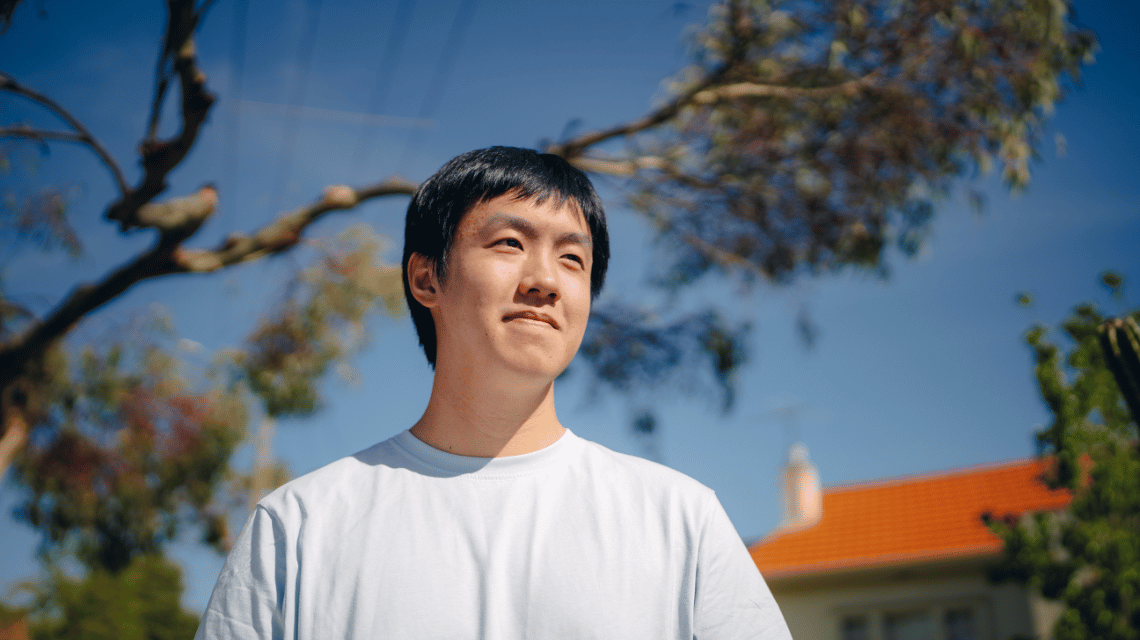
随着你对这一点有了更深的认识,你是如何处理与父亲的关系的呢?
我和他谈过几次。他明白我现在18岁了,在澳大利亚已经是成年人了,我需要能够自己做决定,但同时,无论何时我需要帮助,他总是可以依靠的人。我觉得最近他稍微温和了一些。
现在我的父亲支持我的个人目标,同时也像我的后盾,他让我明白,成为男人的方式不止一种。
在你成长过程中,你在学校里看到的男子气概是什么样的?
在某些群体中确实存在,但高中时期是每个人都在探索自我的阶段。人们的态度每天都在变化,所以很难准确定义。
这和你的父母、祖父母有什么不同?
我觉得年纪大一些的男性更不愿意表露情感。他们内心有很多担忧,但不会说出来。我妈妈很会察言观色,她很理解祖父的感受。
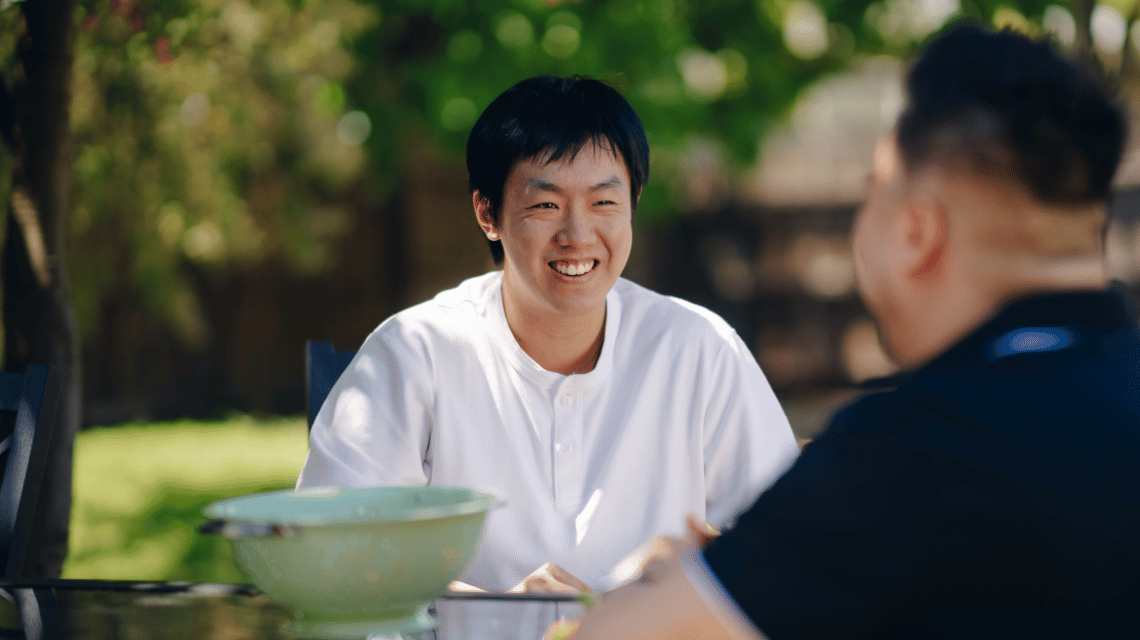
你和父母的沟通方式如何?
和妈妈相处时,我更坦诚也更亲切。我努力照顾好自己,这样她就不用太担心了。妈妈很会察言观色,所以她能看出我什么时候焦虑。但对于爷爷和爸爸,我会避免谈论这类敏感话题。像明天要面试这类令人兴奋的事情,就比较容易和爸爸分享。
和爸爸在一起,我希望我能让他感到骄傲,让他知道他把我培养得很好。我经常和他深入交流,聊一些他在我这个年纪可能不熟悉的事情,以及他是如何克服这些陌生感的。和爷爷在一起时,我说话比较直接和明确。和妈妈在一起时是比较开放的交流方式,但和爷爷在一起时,我会比较内敛。
朋友呢?
我努力做到时刻陪伴在他们身边,成为他们的依靠,就像我的父母陪伴我一样。说“我爱你,谢谢你一直都在”之类的话,有时会让我觉得有点尴尬。在男性朋友之间,当你触及那些脆弱的内心世界时,我们往往会很快地忽略它。
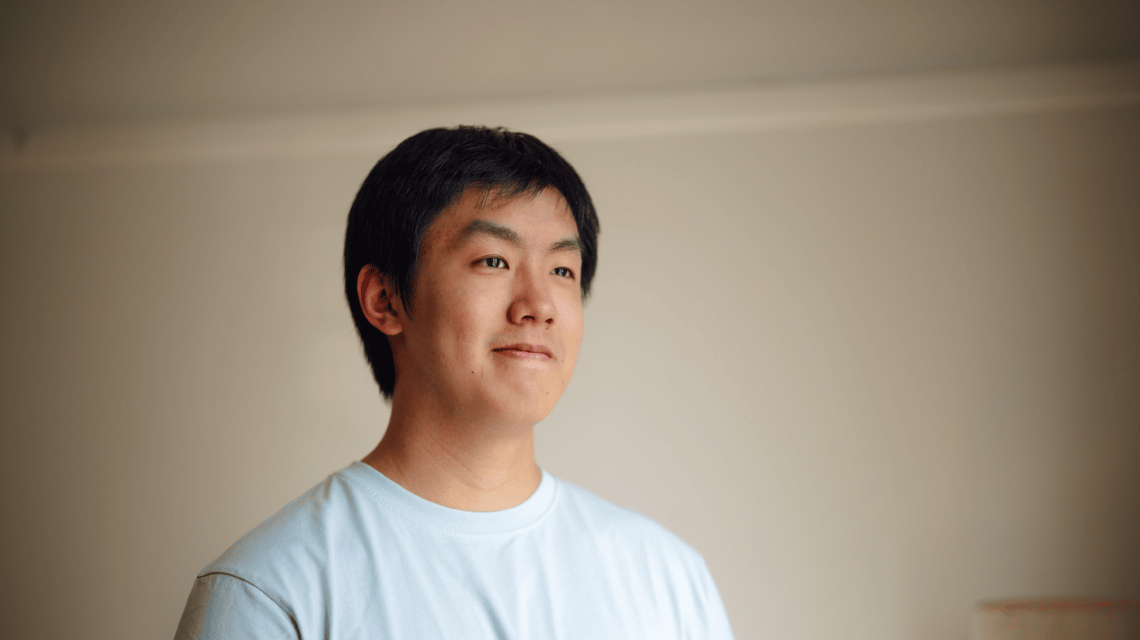
在朋友面前袒露心扉是件很常见的事吗?
我最亲密的朋友都是东亚裔。我们从小就比较注重学业,所以我想我们不太擅长处理敏感话题。我们聊天的方式就像和爷爷奶奶、父亲们聊天一样,比较直接,也比较内敛。
有没有什么场合或话题能让我们更容易敞开心扉呢?
一些小事就能起到作用,比如发送一些鼓励支持和表达感激的短视频。这是一个循序渐进的过程,不能一下子就直奔主题。关键在于一起迈出小小的一步,每天学习变得更加坦诚一些。
你想成为什么样的男人?
我想成为一个值得信赖、有担当、可以依靠的人。即使是最糟糕的日子,和朋友喝杯咖啡或者和家人通个电话也能让心情好转。
人际关系才是让每一天感觉不那么糟糕的真正原因,不是吗?能够随时随地倾诉自己的感受,对我来说,这就是男子气概。
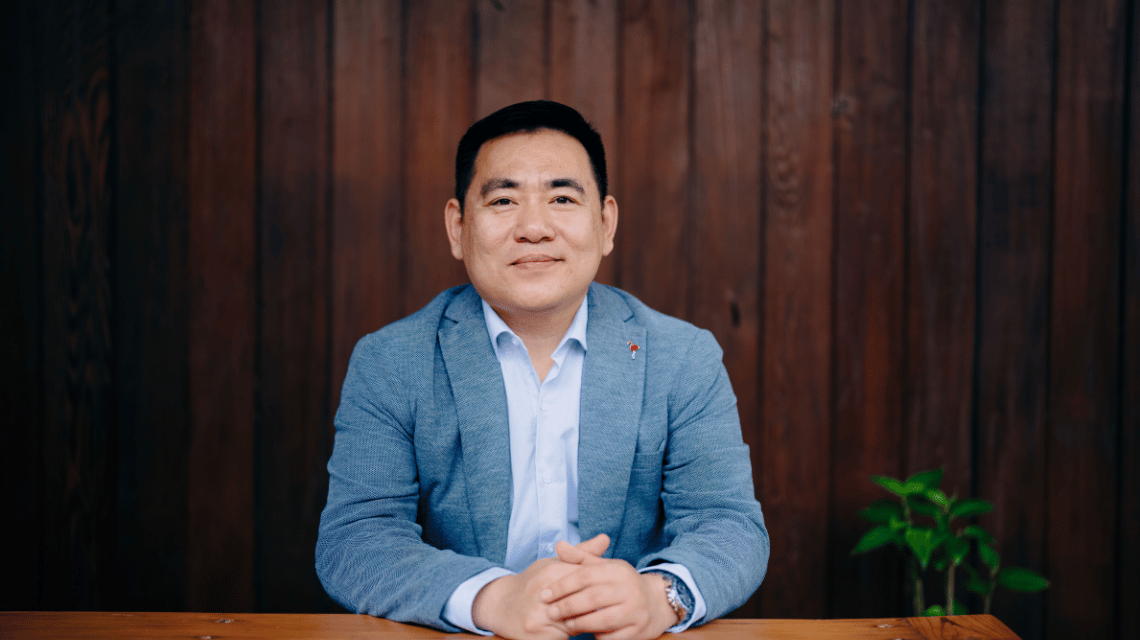
In Conversation with Roy: English translation
“Being able to talk about what you're feeling at any time of the day, to me, that's masculinity,” Roy shares when asked about What Kind of Man Do You Want to Be? Respect Victoria sat down with Roy who reflects on his connection to both Chinese and Australian culture, how different generations relate to masculinity and his hopes for the future.
Hello! My name is Roy, I’m 18, and I’m currently studying a Bachelor of Commerce at the University of Melbourne, looking to major in Actuarial Studies, I’m a big fan of sports, particularly basketball, and I also enjoy reading, gaming and travelling in my spare time.
How have you come to form your view on what masculinity means to you?
I guess a lot of my kind of views of masculinity came from education, it has shaped a lot of my thinking – my mum and my grandfather both worked in teaching. At school we were encouraged to be inclusive, open with our emotions and to speak up. Then my dad – I feel like he's always been a very self-aware person. Because when he moved to Australia before I was born, he tried his best to make sure that I grew up in an environment where I could explore, and he could take care of me.
But also, from his military kind of understanding, he needed a strong healthy boy, so he always wanted me to do sports. Now obviously I really love sports, so I don't want to say it's a bad thing that he wanted me to do sports – it's just not really the correct thing to force views onto your children as well.
But since his dad was someone that served in the military, I guess he grew up with a very strong kind of like discipline to his life.
How have you navigated your relationship with your dad as you gained this awareness?
I had a bit of a talk with him. He understands that now that I'm 18 years old, I'm an adult in Australia and I need to be able to make my own decisions. But also, whenever I need help, I can count on him to just like, provide assistance, whenever I want to. I think more recently, he's kind of mellowed out a little bit.
Now my dad is supportive of my personal goals, as well as being an anchor, and to remind myself that there is more than one way of being a man.
What did masculinity look like growing up in school?
It existed in some groups, but high school is a time when everyone’s figuring themselves out. People’s attitudes change day by day, so it was hard to pin down.
How does this compare to your parents and grandparents?
I think older men are more reluctant to show emotions. They worry a lot internally but don’t share it. My mum is great at reading Grandfather, she understands feelings.
What’s communication with your parents like?
With my mum it's more open and affectionate. I'm trying to be able to take care of myself, so she doesn't have to worry as much. Mum reads emotions a lot so she can tell me when I'm anxious, but for my grandfather and father, I avoid talking about those kinds of sensitive topics. Positive stuff like being excited about a job interview tomorrow, that’s easier to share with dad.
With my dad, I want to make him proud, to know that he raised me well… I often have deep conversations with him about things that he may have found unfamiliar when he was my age, and how he’s managed to conquer those unfamiliarity's. With my grandpa, I'm straight forward and definitive. It's more of an open style with my mum, but when I'm with my grandfather, it's closed.
How about friends?
I try to always be present, and be an anchor, like how my parents are with me. Saying things like “I love you, thanks for being there” can feel awkward. In male friendships, when you go to those vulnerable places, we're quick to dismiss it.
Is being vulnerable with friends common?
My closest mates, we're all East Asian ethnicity. We've grown up to be pretty education focused, so I guess we're not great with sensitivity stuff. We tend to chat the same way we do with grandpas and fathers, more declarative, more closed.
Is there any setting or topic that makes getting vulnerable easier?
Small things help like sending Reels that encourage support and gratitude. It's a process, you can’t just dive straight into vulnerable topics. It's about taking small steps together and learning to be a bit more vulnerable every single day.
What type of man are you trying to be?
I want to be dependable, present and someone people can count on. Even the worst days can be made better by having a coffee with mates or chatting on the phone with family.
Relationships are really what make days feel like they're not that bad, right? Being able to talk about what you're feeling at any time of the day, to me, that's masculinity.